
Super Mario Games on the Nintendo Switch
The complete Super Luigi Bros. coverage of every Super Mario game on the Nintendo Switch, from launch-window titles like Mario Kart 8 Deluxe (April 2017) and Super Mario Odyssey (October 2017) through the latest 2024 releases. Each game has its own in-depth mega-page covering story, characters, gameplay mechanics, every world / kingdom / mode, full character rosters, complete promotional video archives, reception summaries, and franchise context.
All Switch Mario Games Covered
Click any tile below to jump to that game’s full mega-page. Games are ordered chronologically by release date — from the Switch launch year (2017) through the most recent releases.
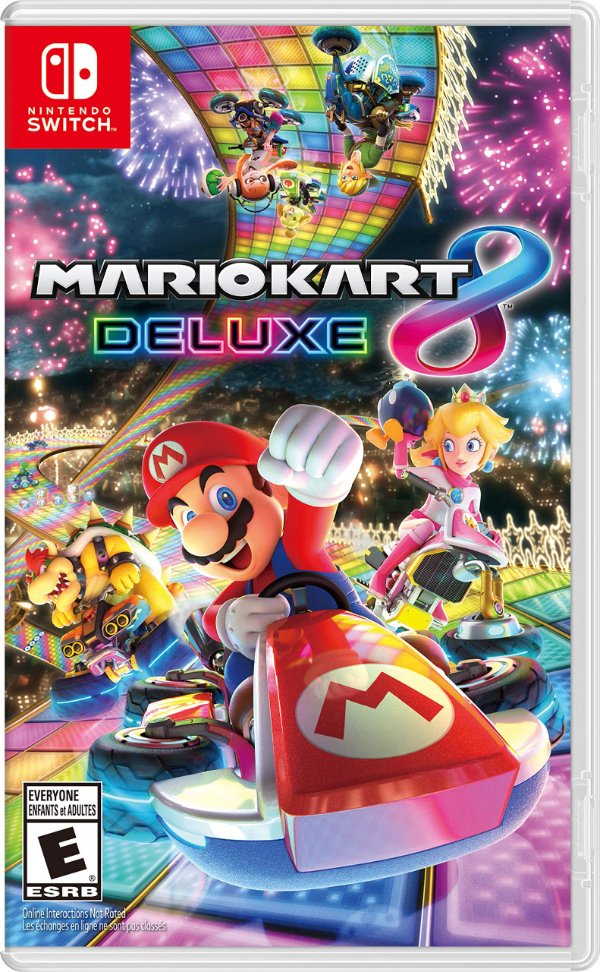
Mario Kart 8 Deluxe
Mario + Rabbids: Kingdom Battle
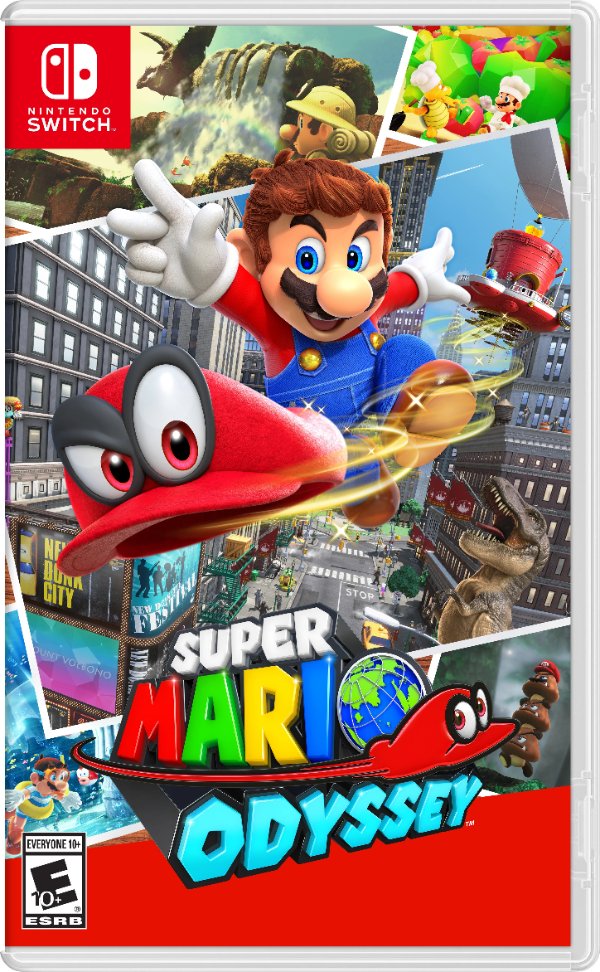
Super Mario Odyssey
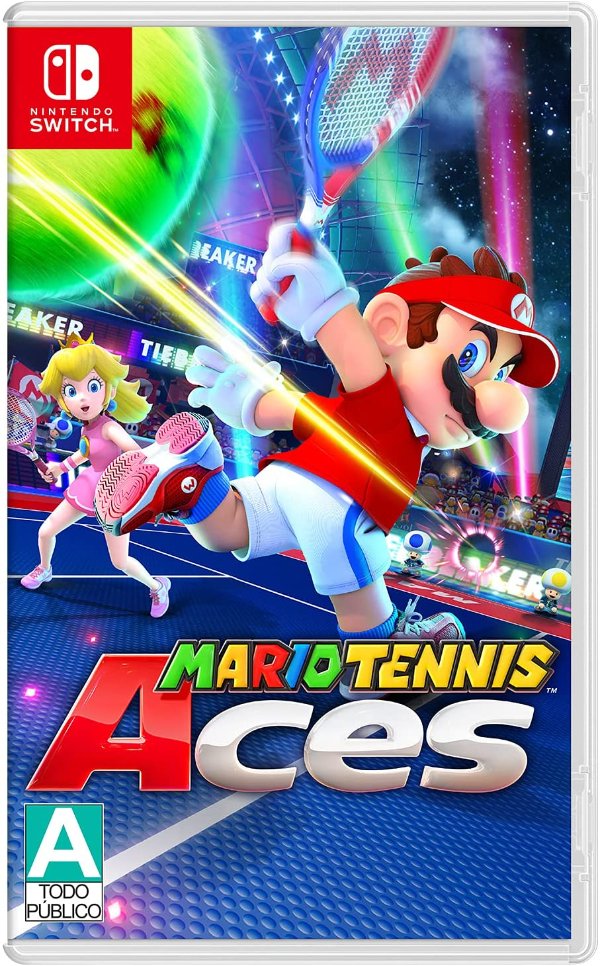
Mario Tennis Aces
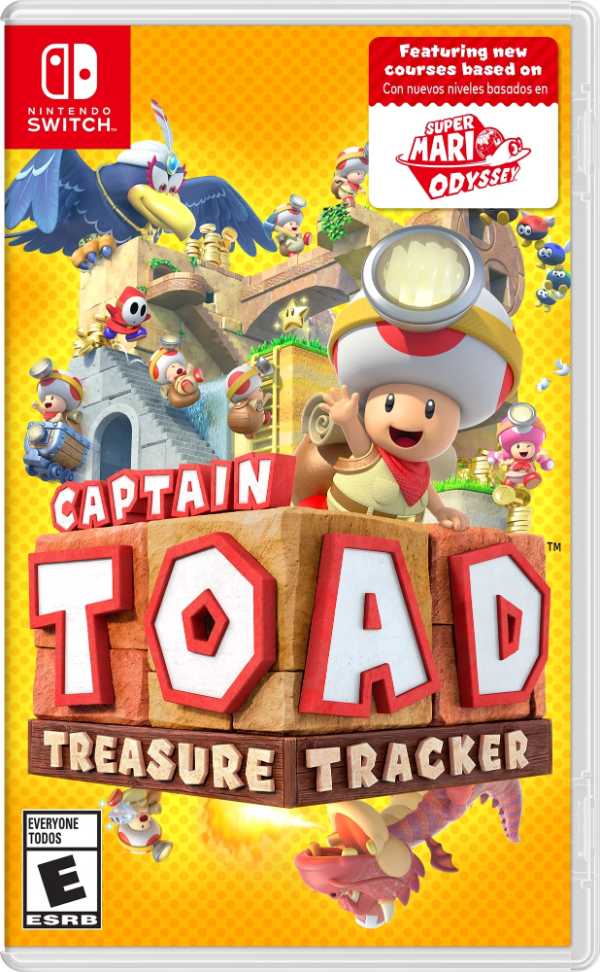
Captain Toad: Treasure Tracker (Switch port)
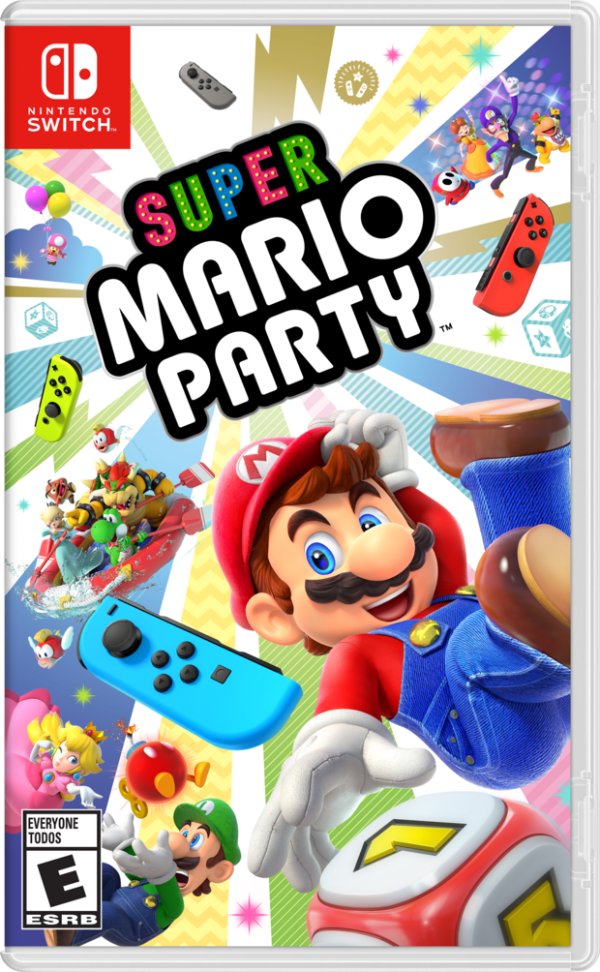
Super Mario Party
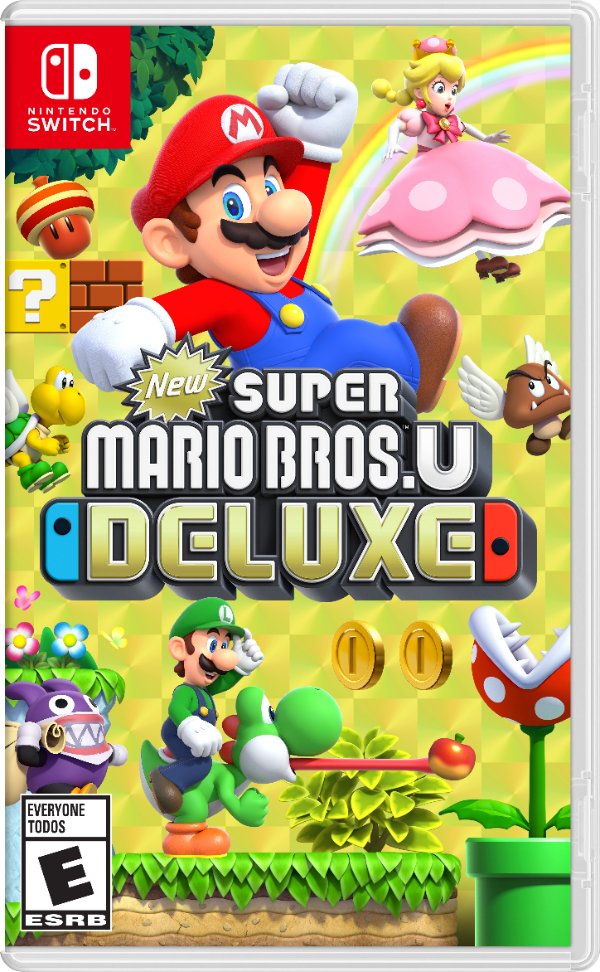
New Super Mario Bros. U Deluxe
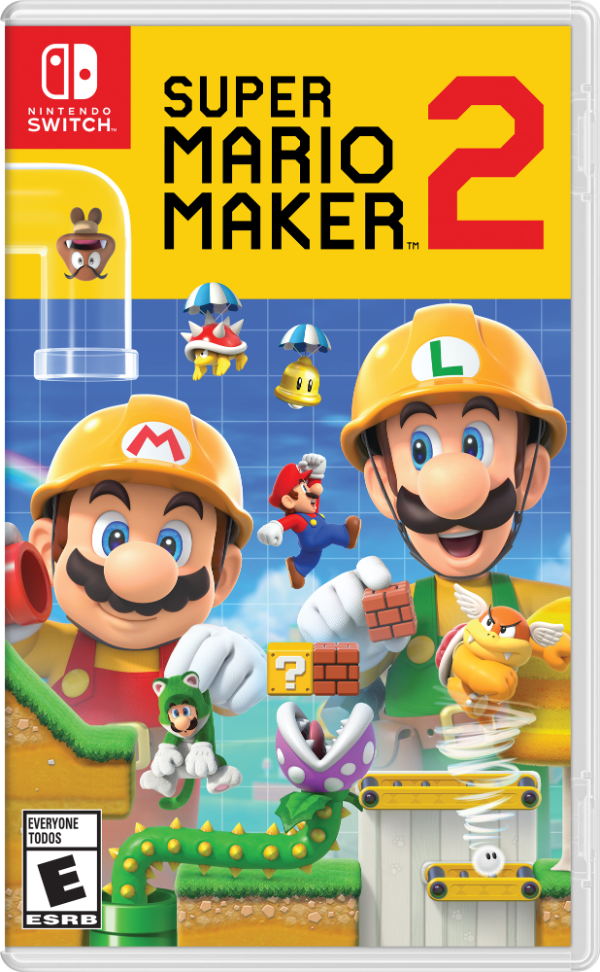
Super Mario Maker 2
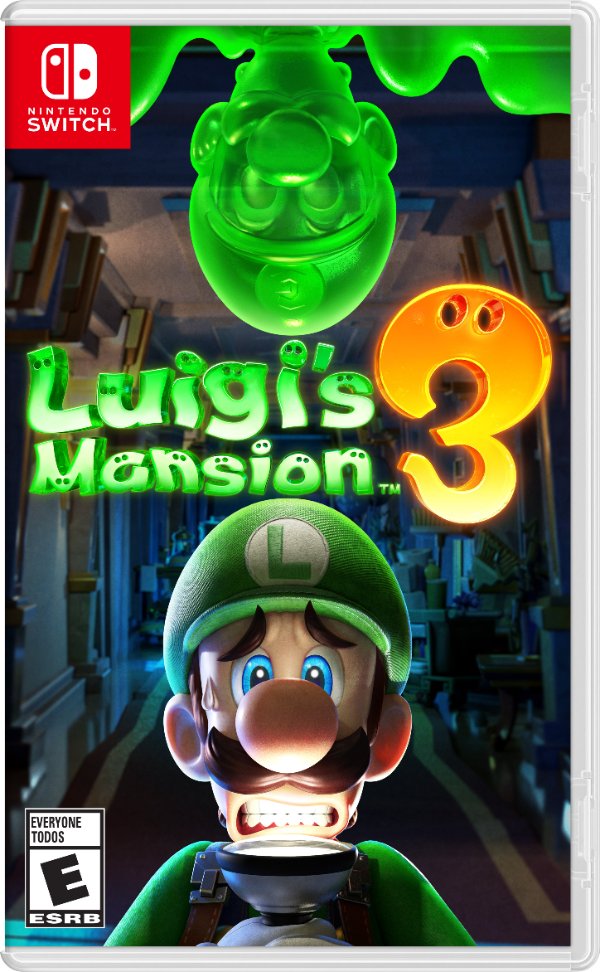
Luigi’s Mansion 3
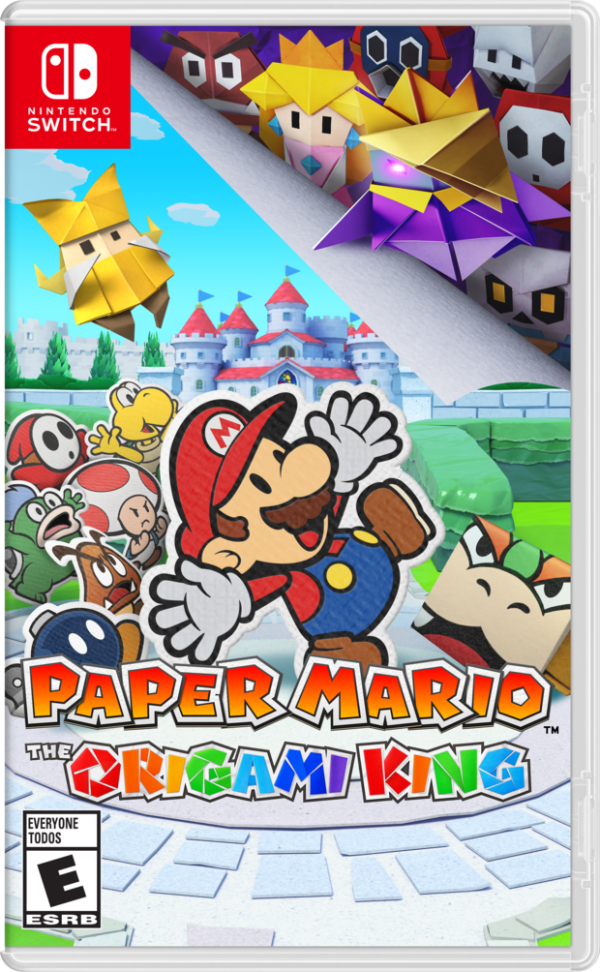
Paper Mario: The Origami King
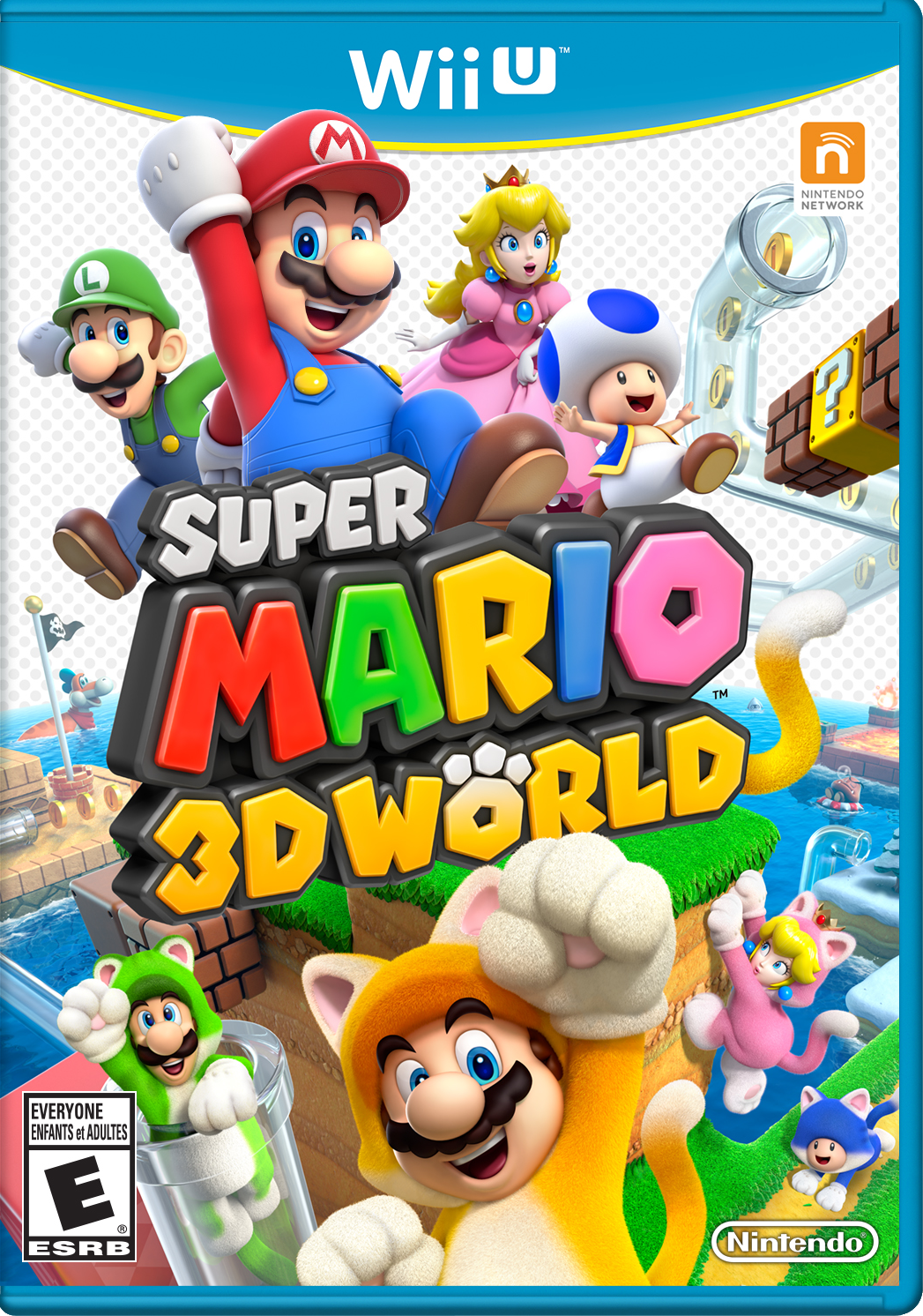
Super Mario 3D World + Bowser’s Fury
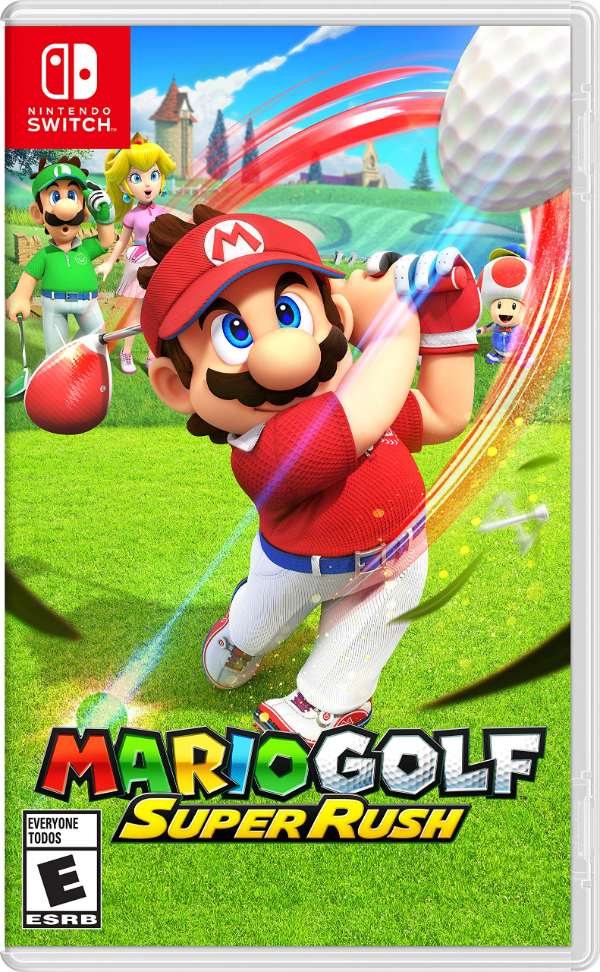
Mario Golf: Super Rush
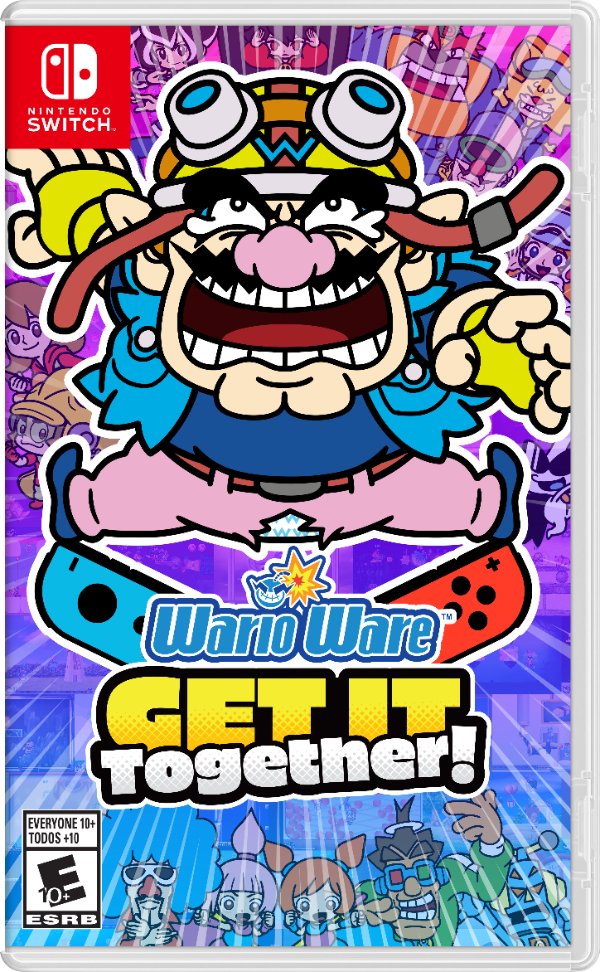
WarioWare: Get It Together!
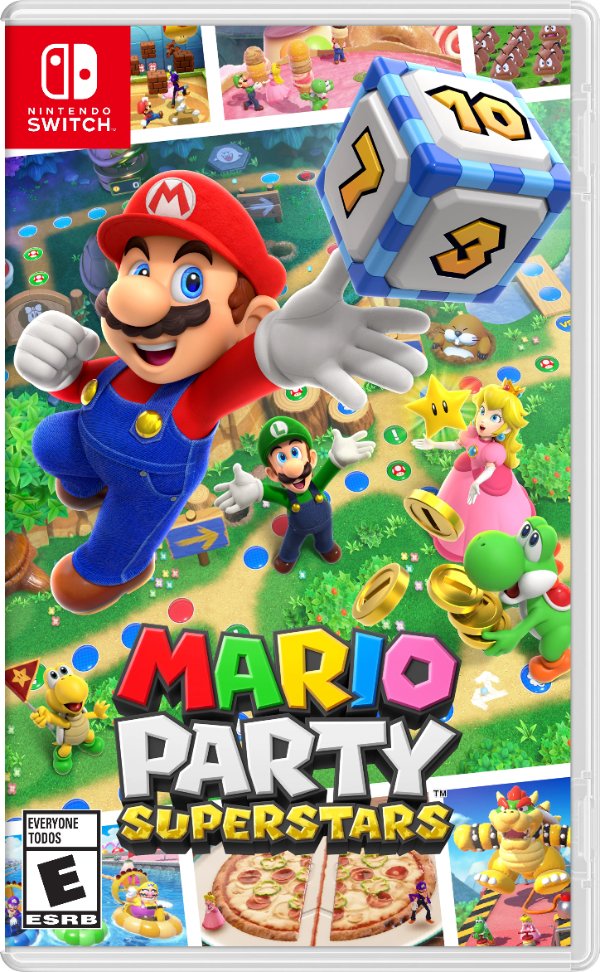
Mario Party Superstars
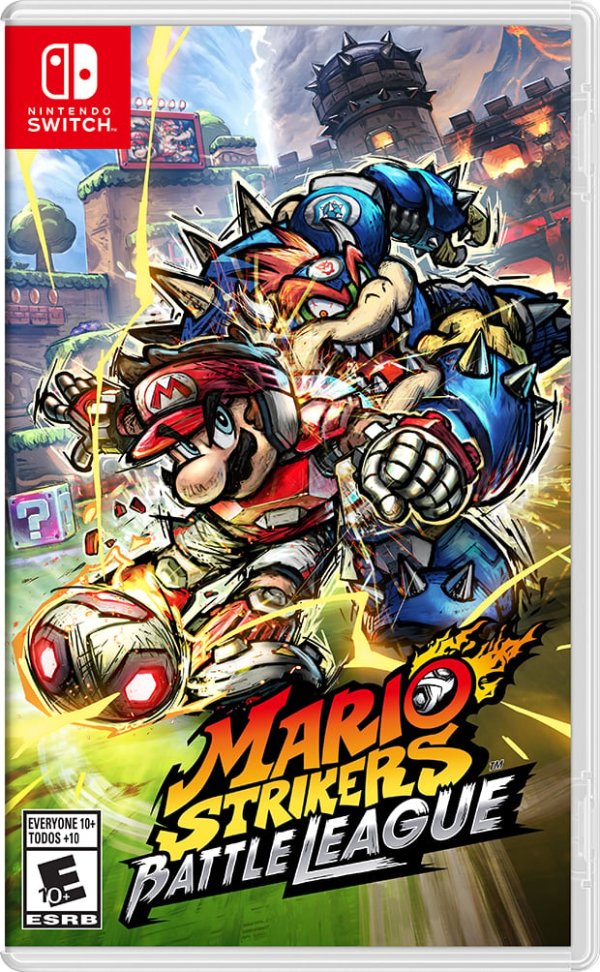
Mario Strikers: Battle League
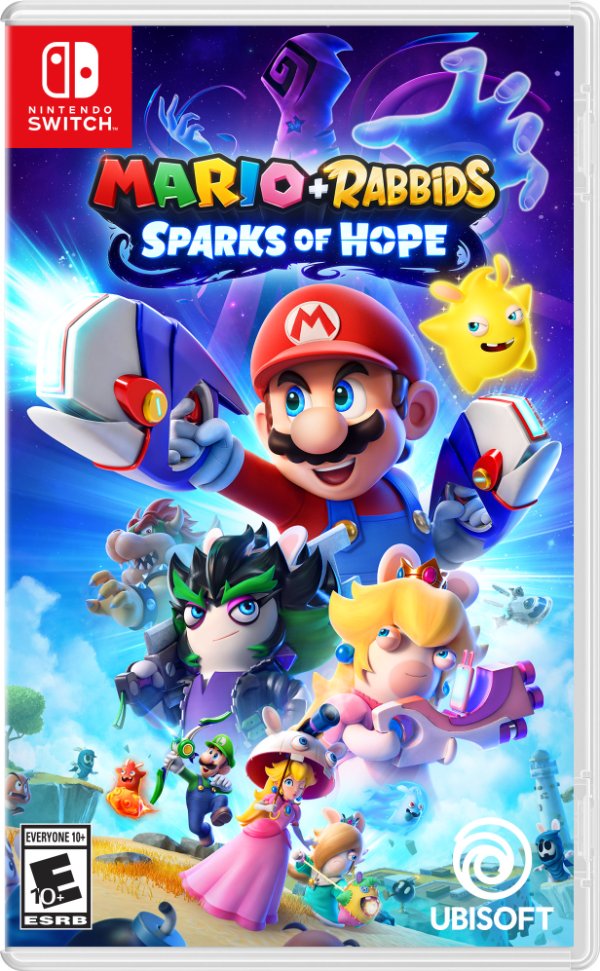
Mario + Rabbids: Sparks of Hope
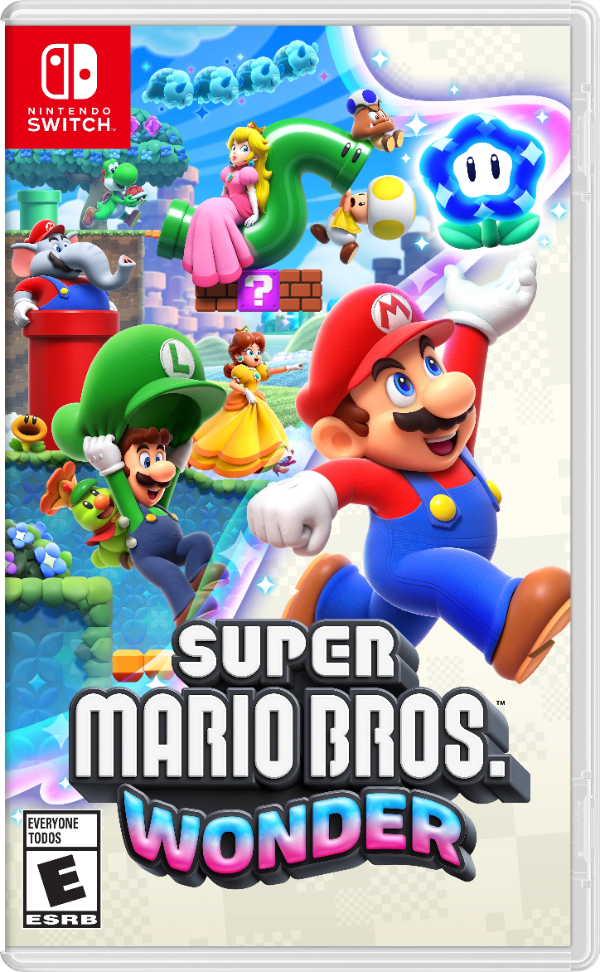
Super Mario Bros. Wonder
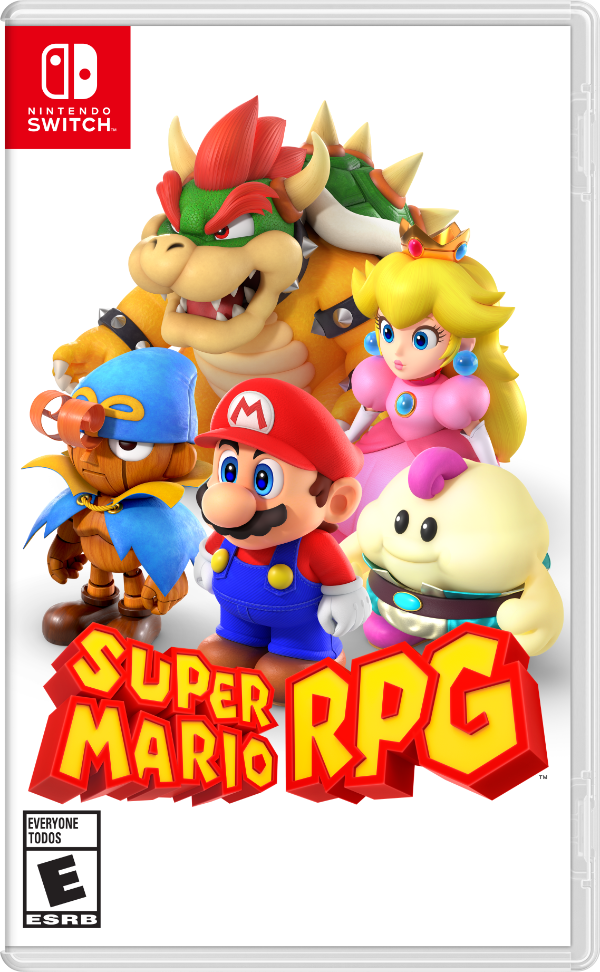
Super Mario RPG (Remake)
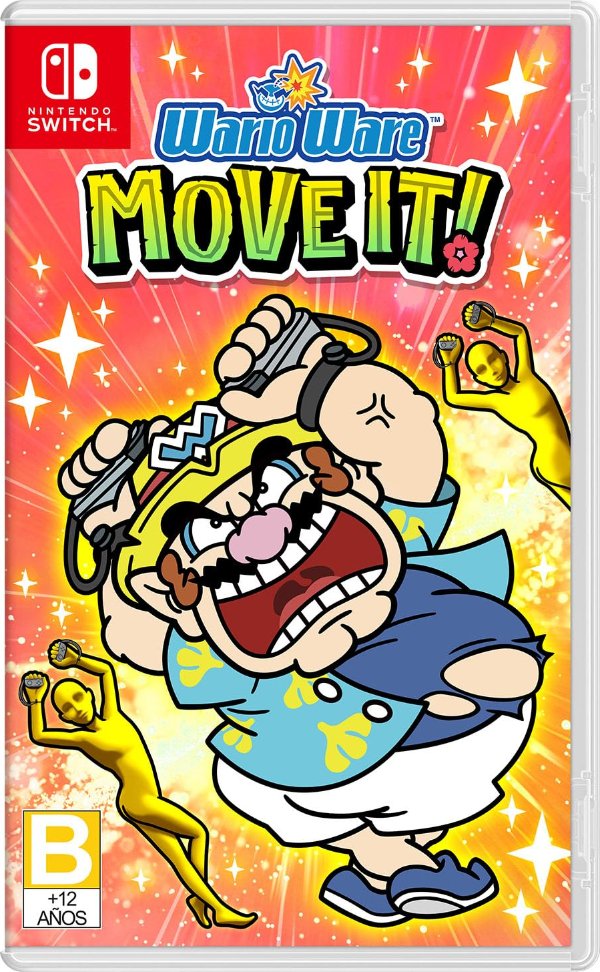
WarioWare: Move It!
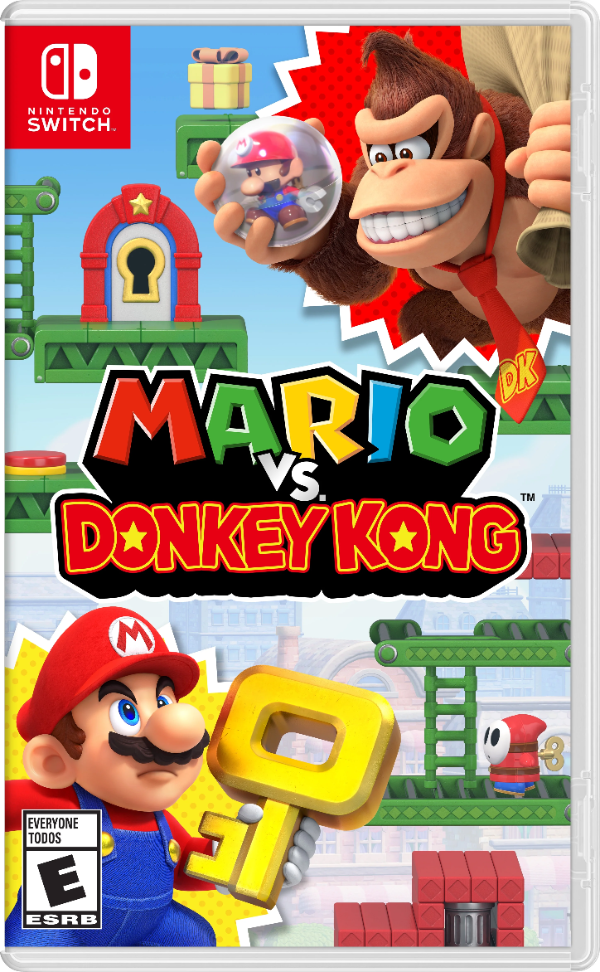
Mario vs. Donkey Kong (Remake)
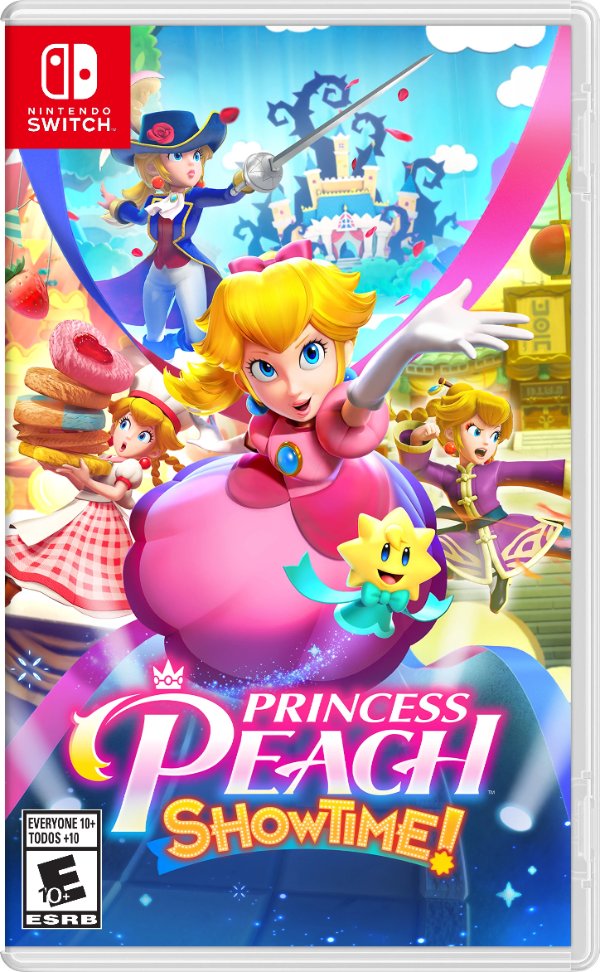
Princess Peach: Showtime!
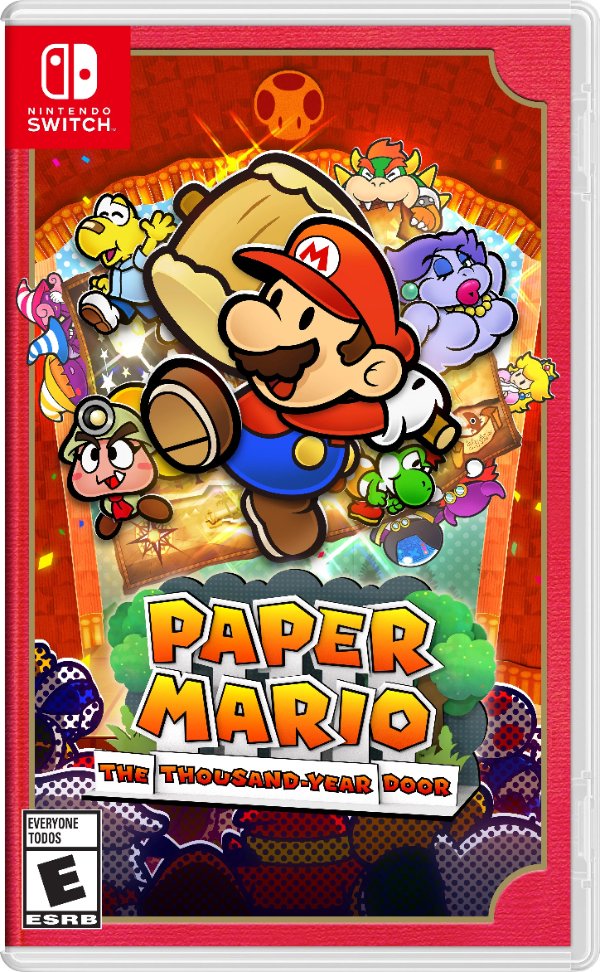
Paper Mario: TTYD (Remake)
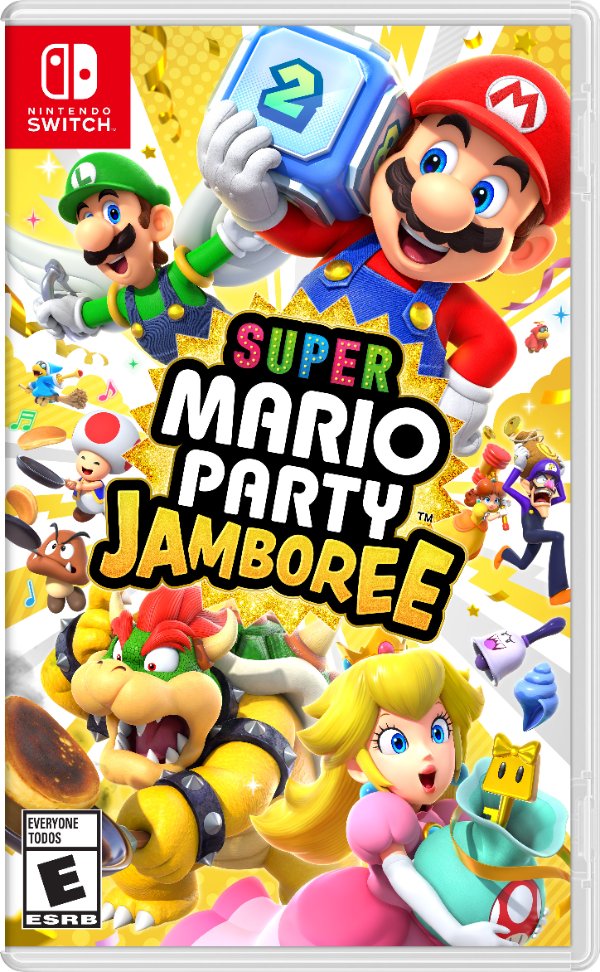
Super Mario Party Jamboree
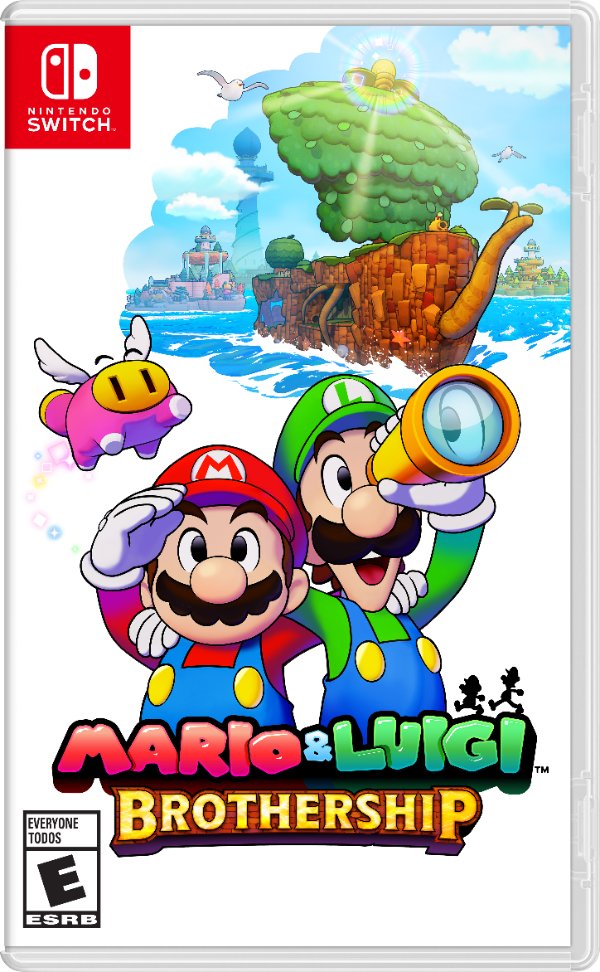
Mario & Luigi: Brothership
About the Nintendo Switch
The Nintendo Switch launched worldwide on 3 March 2017 as Nintendo’s hybrid home/handheld game console, succeeding the commercially-struggling Wii U. The Switch was Nintendo’s direct response to the Wii U’s failure to find a mass audience — combining a dockable home console with a fully portable handheld in a single piece of hardware. The pivot worked spectacularly: the Switch has gone on to become one of the best-selling video game consoles of all time, surpassing 150 million units sold worldwide by 2025.
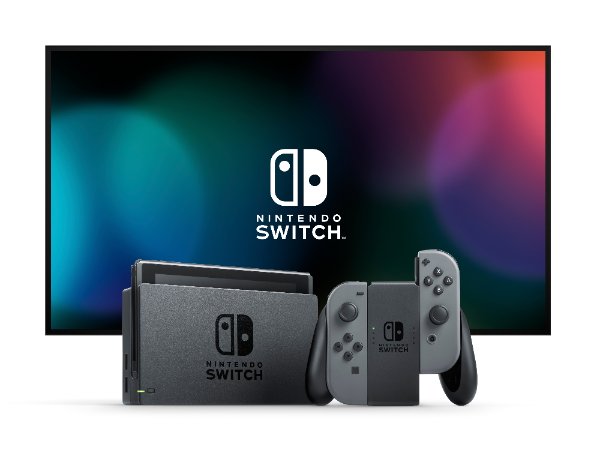
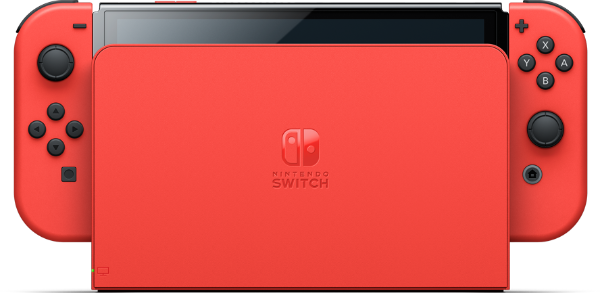
The Switch’s defining innovation is its hybrid form factor. The console slides into a dock that connects to a TV via HDMI for traditional home-console play at up to 1080p, then lifts straight out of the dock to run as a fully portable handheld with a 6.2-inch capacitive touchscreen at 720p. The transition is essentially seamless — players can pick the unit out of the dock mid-game and keep going. No other mainstream console before or since has pulled off this dual identity with anything like the same commercial success.
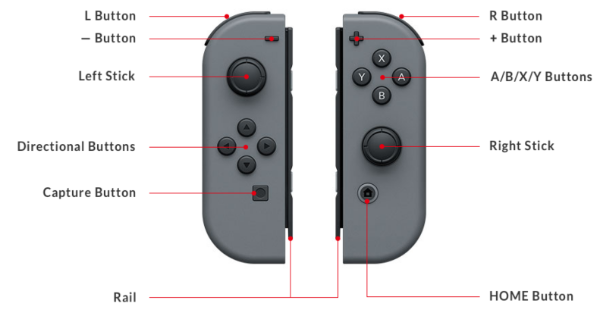
The Switch’s Joy-Con controllers attach to either side of the handheld unit to form a single integrated portable, then detach and function as a pair of small wireless controllers, or even split into two single-Joy-Con controllers for instant two-player gameplay anywhere. Each Joy-Con packs motion sensors, gyroscopes, an IR camera, and HD Rumble — Nintendo’s haptic feedback tech that provides much finer tactile response than traditional rumble. The asymmetric design and the small form factor make them work as standalone tiny controllers for casual multiplayer in a way no previous Nintendo console quite managed.
Under the hood the Switch runs an NVIDIA custom Tegra X1 system-on-chip. While its raw graphical horsepower trails the PlayStation 4 and Xbox One generation, let alone the PlayStation 5 and Xbox Series X|S, Nintendo’s engineering optimisation and the Mario universe’s art direction have made the visual gap matter far less than skeptics initially expected. Mario Kart 8 Deluxe, Super Mario Odyssey, and Super Mario Bros. Wonder all look gorgeous within the Switch’s hardware envelope, and the platform has hosted some of the best-reviewed games of the entire generation regardless of hardware spec.
Three Switch hardware variants have released over the platform’s lifespan: the original Nintendo Switch (March 2017, the dockable hybrid), the Switch Lite (September 2019, a smaller handheld-only variant without a dock or detachable Joy-Cons), and the Switch OLED Model (October 2021, with a larger 7-inch OLED screen, improved kickstand, and better speakers). The platform’s successor, Nintendo Switch 2, launched in June 2025 as a more powerful hybrid console with backwards compatibility for the original Switch library.
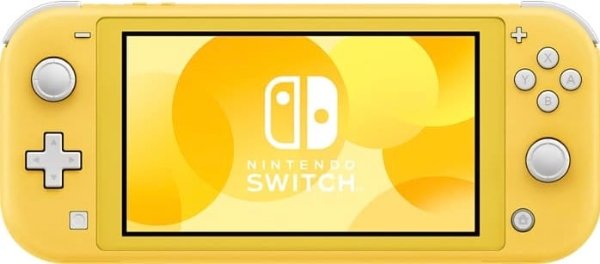
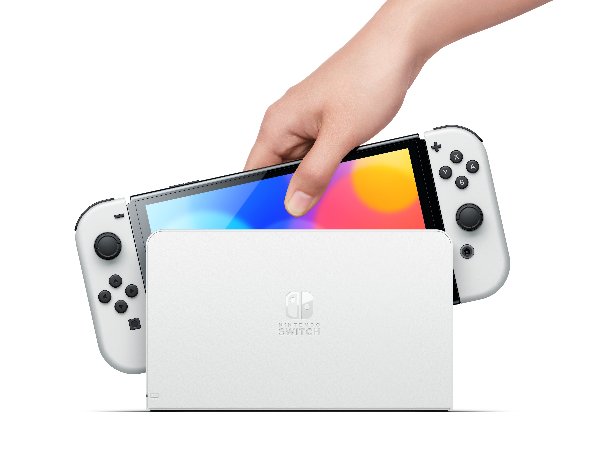
The Switch’s Mario library is one of the broadest of any console generation. From the launch-window release of Mario Kart 8 Deluxe (April 2017) through the latest 2024 releases, the platform has hosted 24+ Super Mario franchise games covering mainline platformers, kart racing, party games, RPGs, sports titles, spinoffs, and remakes. Multiple Switch Mario titles have crossed 30 million sales each; Mario Kart 8 Deluxe alone has shipped over 65 million units, making it the best-selling Mario game ever and one of the best-selling video games of all time.
The Switch’s online ecosystem is anchored by Nintendo Switch Online, the platform’s paid subscription service. The base tier provides online multiplayer plus a growing library of classic NES and Super Nintendo games; the Expansion Pack tier adds Nintendo 64, Game Boy Advance, Sega Mega Drive (Genesis), and GameCube titles, plus DLC for select first-party games. As the Switch transitions toward shared shelf-space with the Nintendo Switch 2, its legacy is already secure: one of Nintendo’s most commercially successful platforms and a defining hybrid console for an entire generation of players.