


Super Smash Bros. Brawl
The biggest Smash ever made — 39 fighters, an enormous adventure mode, and the first time Snake and Sonic joined the party.
Super Smash Bros. Brawl is the third entry in Nintendo’s legendary platform fighting series and, at the time of its release in 2008, was the most ambitious game Nintendo had ever made. It brought together 39 fighters from across gaming history — not just Nintendo characters, but for the first time ever, third-party icons like Solid Snake from Konami’s Metal Gear series and Sonic the Hedgehog from Sega. The very idea of Snake fighting Mario on a Legend of Zelda stage with Sonic watching from the sidelines was something fans had dreamed about for years.
Directed by Masahiro Sakurai, Brawl was developed with an extraordinary level of care and scope. It launched with an enormous single-player adventure mode called the Subspace Emissary — essentially a full side-scrolling action game in its own right, with cutscenes, bosses, and a story that brought all the Smash characters together. It also featured online multiplayer for the first time in the series, over 40 playable stages, a massive soundtrack with music from across Nintendo’s history, and a sticker/trophy collection that rivals museums.
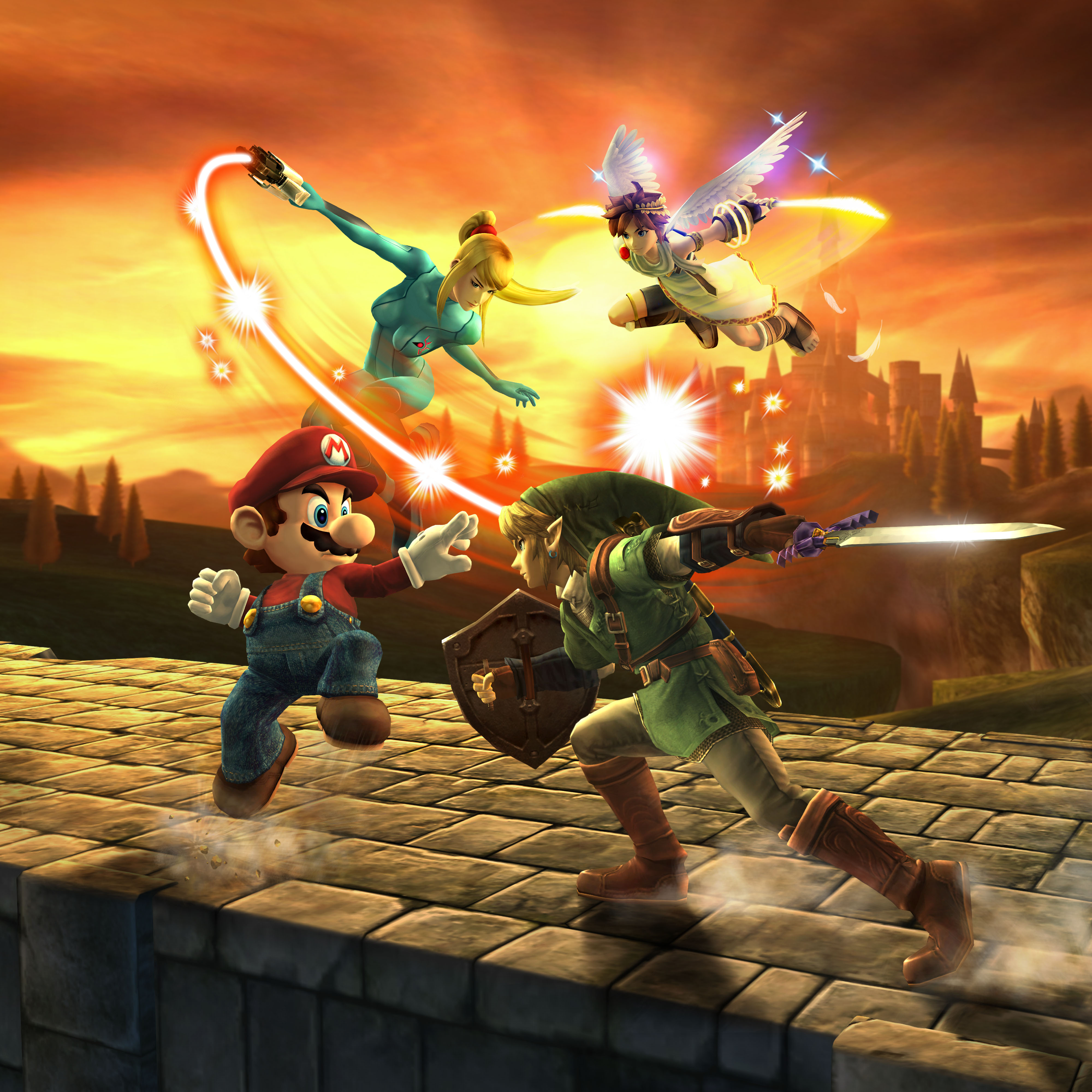
Brawl was one of the most anticipated games of its generation. The pre-release period was itself an event — Sakurai ran the Smash Bros. DOJO!! website for almost a year before launch, revealing new characters, stages and mechanics on weekdays. Every update was news. When Snake and Sonic were confirmed, the internet went wild. Brawl sold 13 million copies worldwide and remains one of the best-selling Wii games ever made.
The core formula is the same as it ever was: knock opponents off the screen to score KOs. Damage is tracked as a percentage — the higher it climbs, the further you fly when hit. First to the KO limit (or last standing when time runs out) wins. It sounds simple. It’s endlessly deep.
Brawl made notable changes from Melee. The game runs at a slower, floatier pace — intentional, to make it more accessible than Melee’s frenetic competitive speed. Wavedashing (a Melee tech) was removed. The Smash Ball was introduced — a glowing orb that floats around the stage, and whoever breaks it first can unleash their character’s devastating Final Smash attack. Each fighter’s Final Smash is unique and spectacular.


Brawl launched with 39 playable fighters — at the time, the largest roster in the series. Of these, 16 were newcomers, including the historic first appearances of third-party characters Snake and Sonic. Most fighters are unlocked through gameplay rather than available from the start.


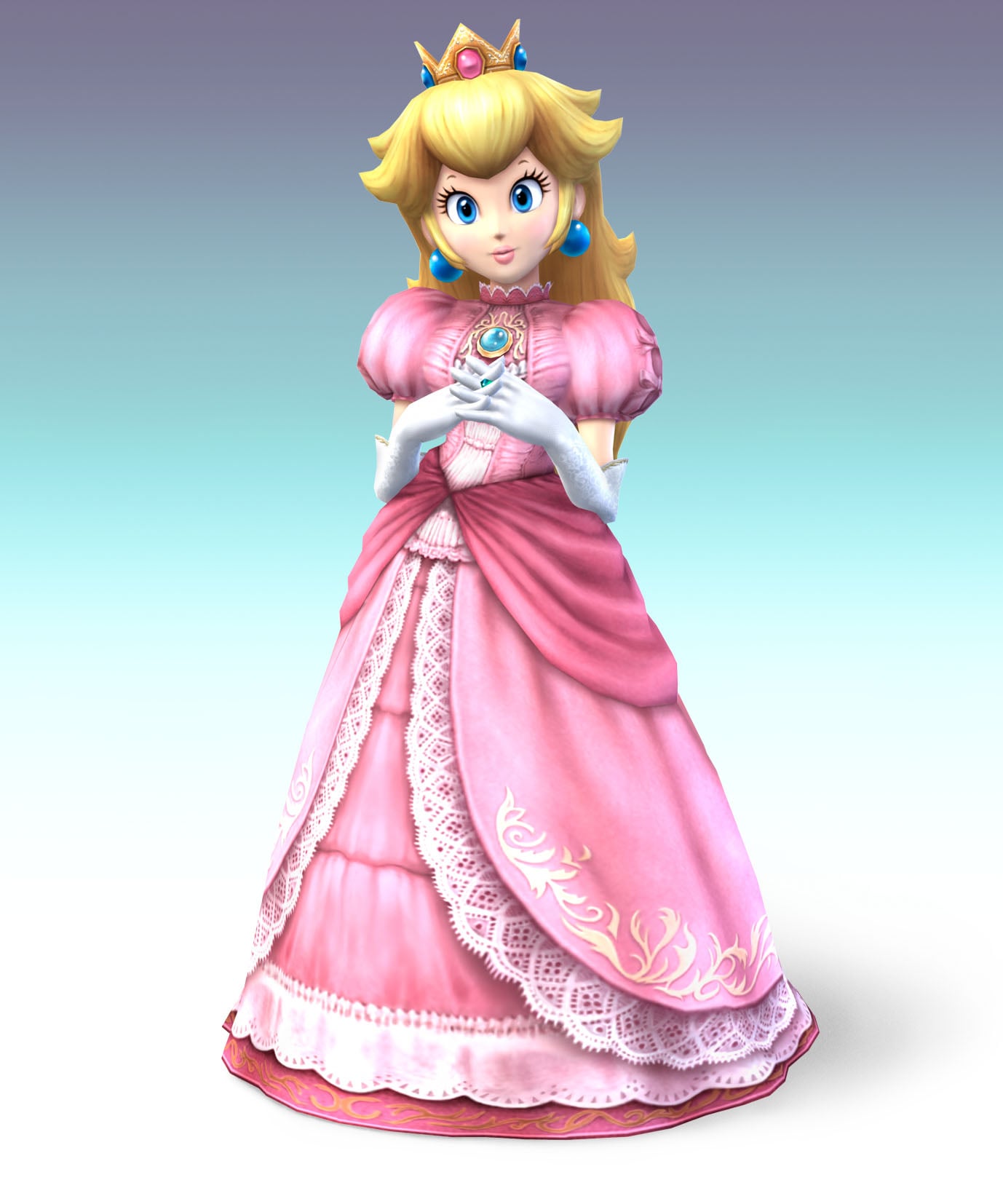

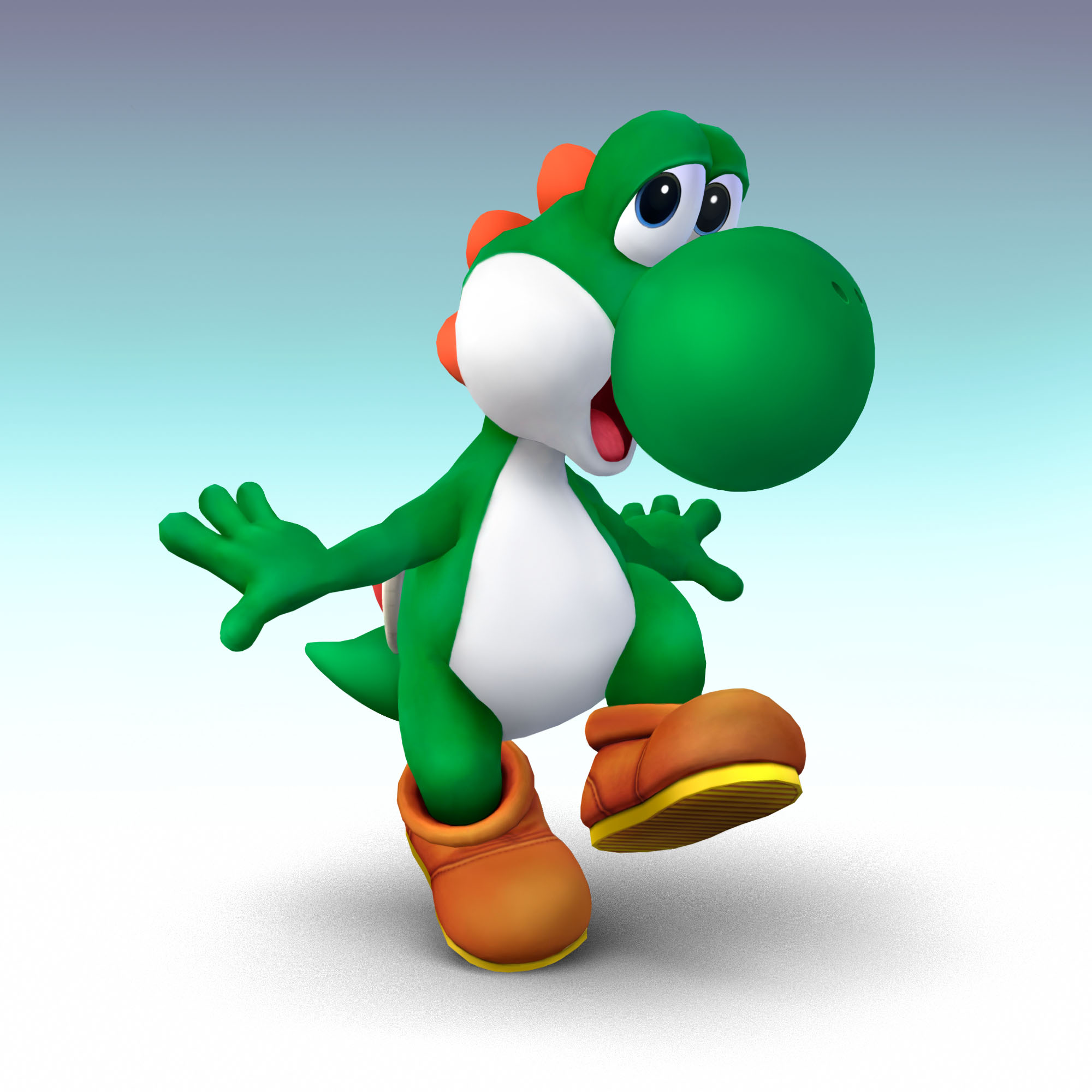
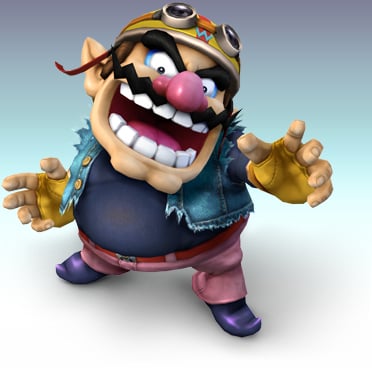


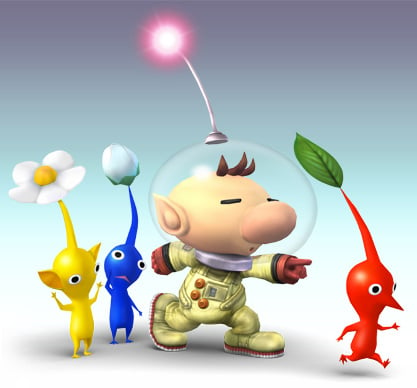


Of particular note: Meta Knight was widely considered the most overpowered character in competitive history — his aerial mobility, multiple jumps and fast safe attacks made him dominant at tournament level. Snake‘s inclusion came from a personal request by Hideo Kojima to Sakurai years earlier, and his moveset — grenades, C4, missiles — was unlike anything else in Smash. Pokémon Trainer uniquely controlled three separate Pokémon (Squirtle, Ivysaur and Charizard) and could switch between them mid-match.
The Subspace Emissary (SSE) is Brawl’s enormous adventure mode — a fully realised side-scrolling action game that runs alongside the main Smash content. It’s several hours long, features cutscenes for virtually every character, and has its own story, bosses and world.

The story: The Smash Bros. world is invaded by an entity called the Subspace Army, led by the Ancient Minister. In the Smash Bros. universe, characters exist as living trophies — they come alive to fight, and revert to trophies when defeated. The Ancient Minister exploits this by turning characters into trophies and detonating Subspace Bombs that suck pieces of the world into Subspace. The true villain behind it all is Tabuu — a being of pure Subspace energy whose Off Waves attack can instantly turn everyone into trophies.
What makes the SSE special is its cutscenes. Done entirely without dialogue (just pantomime and expression), they’re surprisingly effective — characters who are enemies in Smash become allies out of necessity, and moments like Meta Knight battling Lucario, Snake hiding in a box to spy on Peach and Zelda, or Bowser and Wario’s uneasy alliance became iconic fan moments. The final push through the Great Maze to reach Tabuu remains a memorable (if exhausting) challenge.
Brawl launched with over 40 stages — new stages unique to Brawl alongside returning fan favourites from Melee and the original Smash. Every major Nintendo franchise is represented, plus third-party stages for Snake and Sonic.


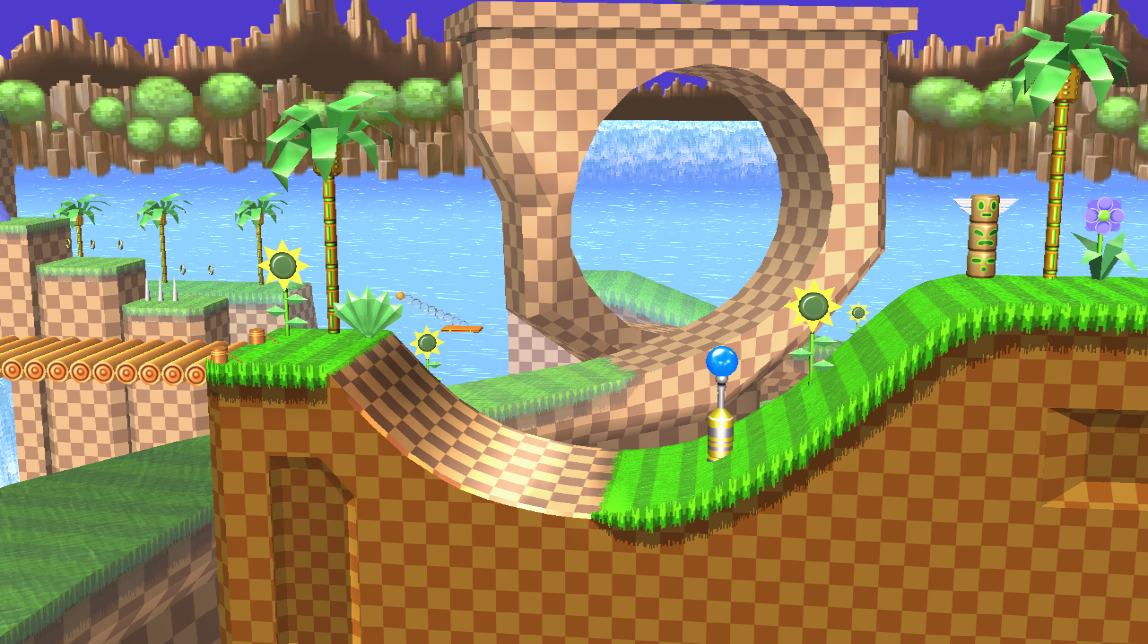

Brawl was met with enormous critical and commercial success on release. It sold over 13 million copies worldwide — one of the best-selling Wii games ever — and received near-universal praise for its content depth, roster size, and the Subspace Emissary.
Praised for
- 39 fighters — massive roster
- Snake and Sonic — historic third-party inclusions
- Subspace Emissary — huge adventure mode
- 258-track soundtrack — best in series history
- Online play — a first for Smash
- Content depth — hundreds of hours of play
- Four control scheme options
Criticisms
- Slower than Melee — divisive for competitive players
- Random tripping mechanic — almost universally disliked
- Online lag — rollback netcode wasn’t used
- Meta Knight too dominant in competitive play
- The Great Maze — too long and repetitive
- Clone characters feel underdeveloped
In the competitive Smash community, Brawl is a mixed legacy. It never reached Melee’s longevity at high-level events — the slower pace, tripping and Meta Knight’s dominance made it less compelling as a competitive game. But as a party game and single-player experience, it remains one of the best in the series, and the Subspace Emissary is still talked about as something Smash should bring back.
- Snake’s inclusion was the result of a personal request by Metal Gear creator Hideo Kojima to Sakurai — Kojima had been asking since the original Super Smash Bros. on N64.
- Sonic was the last character confirmed before launch, announced at a Nintendo press event just months before release — the internet went wild.
- Brawl has 258 music tracks — more than any other game in the series. Many tracks were arranged by famous composers including Koji Kondo, Yasunori Mitsuda and Yoko Shimomura.
- The game supports four different control schemes simultaneously — Wii Remote, Wii Remote + Nunchuk, Classic Controller, and GameCube Controller — a first for any Nintendo game.
- Sakurai built the Smash Bros. DOJO!! website and personally updated it almost every weekday for nearly a year before launch, revealing the game’s content piece by piece.
- Meta Knight was so dominant that he was nearly banned from major tournaments. He was eventually placed on a “banned” or “watch list” at several events.
- The Subspace Emissary has no spoken dialogue — all character interactions are conveyed entirely through pantomime. Sakurai wanted it to be universally understandable.
- Random tripping was added deliberately to reduce high-level dash dancing and approach game — it was almost universally disliked and was removed from all future entries.
- Brawl is the only Smash game to feature Solid Snake as a playable character — his inclusion required Nintendo and Konami to reach a formal licensing agreement.
- King Dedede secretly hid trophy brooches on Peach, Ness and Luigi before Tabuu’s attack — planning ahead to revive them, making him one of the true heroes of the SSE story.
- The game’s online service ran via Nintendo Wi-Fi Connection, which was shut down in 2014 — making online play permanently unavailable unless using fan-run replacement services.
- Brawl was the first Smash game to allow custom stages to be saved and shared via SD cards — a precursor to the stage sharing features in later entries.
Two videos from our collection covering Super Smash Bros. Brawl: