

Super Mario Bros. 2
Overview
Super Mario Bros. 2 (also known as Super Mario USA) is a side-scrolling platform game, released in 1988 (in the USA) and 1989 (in Europe). It is the second game in the legendary Super Mario franchise. While it was originally produced and developed exclusively for the NES (Nintendo Entertainment System), it was, later, re-released for other systems as well.
It must be noted that there are major differences between the Japanese version of Super Mario Bros. 2 (also known as Super Mario Bros. :The Lost Levels) and the one we are talking about here (the American/European version). The Japanese version is, basically, the same game as its predecessor. It has the same graphics, same story, same characters, same gameplay, same power-ups………..almost everything is completely the same, except of one “small” detail – the game is brutally difficult! It is much tougher than the original Super Mario Bros. game. People in Nintendo figured out that the game would be too difficult for American and European gamers, so, instead of launching that game in those 2 regions, they used a different approach.
They came to an idea to re-release the older Famicom title called: “Yume Kojo: Doki Doki Panic” and use the characters from Mario’s universe (not all of them, though) instead of the original ones. And that is exactly what happened in the end – Super Mario Bros 2. , that we are playing in the USA and Europe is, basically, a remake of Yume Kojo: Doki Doki Panic. As a result, this game is much different than almost every other platform game in the Mario franchise, and the player gets to experience that from the very beginning. That is also one of the reasons why it is one of the most disliked games in the whole franchise as, even though it is a Mario game, many standards that were set by its predecessor, and that were used by the later games – were not seen in this title.
The plot is also different. Instead of fighting Bowser and his army of Koopas, this time Mario, Luigi, Peach and Toad are placed in a similar, yet different, setting called Subcon (also known as “the land of dreams”), that was once a lovely place for living and a real wonderland, just like the Mushroom Kingdom, but it is now ruled by the giant frog king called Wart, and peace is no longer residing in this area. It is the task of Mario and his friends to defeat Wart and restore Subcon to its normal and natural state of living. To make things even more distinct and different, all the happenings in this game are only a dream of everyone’s favorite plumber.
Still, even despite various negative comments, Super Mario Bros. 2 is an important part of the franchise, and some elements that were introduced in this game, found their respective places in the future Mario games as well.
Story
The official story from the Super Mario Bros. 2 game manual:
One night, Mario had a strange dream. He found himself climbing a long staircase leading up to a mysterious door. Opening the door, Mario’s eyes fell upon an incredible world unlike anything he’d ever seen. A quiet voice spoke to Mario, saying,
"Welcome to Subcon, the land of dreams. Our once-beautiful world now suffers at the hands of the evil Wart. Please help us! Only you can free us from his tyranny. Oh, and remember one thing: Wart hates vegetables."
However, before Mario could figure out what was happening, he suddenly awoke on his bed and realized that it was all a dream. The next day, while heading out to a picnic with his friends Luigi, Princess Toadstool, and Toad, Mario told the tale of his strange dream. Hearing this was quite a shock to his friends, who all had the very same dream the night before.
Upon arriving at their picnic spot, the group noticed a small cave. Inside was a long staircase that led up to a door. At the top, the four friends opened the door and stood shocked by what they saw. It was Subcon – the world of their dreams!
Gameplay & Controls
As it was mentioned earlier, the gameplay of this game is much different than the gameplay of the other platform games in the franchise. Still, some basic points are identical. The objective is still the same, and that is – make it from point A to point B or, in other words, make it to the end of the level. The player can move left and right, jump and run, just like in the first game, but, instead of shooting fireballs acquired from the Fire Flower power-up, this time the player can grab various items (like the most common ones in the game – vegetables) and throw them at the enemies on screen, in order to beat them. So, the basic premise is still identical to the other platform games in the Mario franchise.
But now comes the part where we are going to introduce major different aspects of this game. First of all, instead of 8 worlds, where each of them is packed with 4 levels, this game has 7 worlds and each of them has 3 levels (the last world has 2 levels, though). Another major difference is that, at the end of each level, the player needs to beat a mini-boss in order to proceed. And that is, in all cases, a new character called Birdo. She can be beaten either by throwing back the eggs at her (the ones that she fires back and forth, in order to kill Mario and his friends), or by throwing other items at her (mushroom blocks). In order to pick-up the eggs (or other items), the player must jump/stand on them and press the “B” button. Birdo takes 3 hits to be defeated.

Mario lifting a Mushroom block.
After that, the player picks-up the crystal ball, that was guarded by Birdo, and, after that, the door that leads to the end of the level is opened (the Hawkmouth gate). At the end of the 3rd level of each world (or the 2nd level in the last world), the player must defeat the boss in order to pass through. Each of them takes different tactics and strategies in order to be defeated, but all of them involve throwing various items at them to damage them. Also, at the end of the level, there is a bonus section in the form of a lottery machine, which enables the player to gain extra lives (with the right combination of slots).
Contrary to the first game (and the other platform games in the franchise), in this one Mario and his friends don’t beat the enemies by jumping on them, or by throwing fireballs at them. Instead, the player must jump on them, pick them up and throw them towards other enemies. He/she can also pickup various items (that are placed on or under the ground) and throw them towards the enemies to beat them (in the same way that was previously described). Also, it usually takes two hits to kill Mario and his friends, but after they pick-up the mushroom (it is picked up in the same way as other items), the number of allowed hits rises to 3. The mushroom also restores the health points to the maximum amount. Mario and his friends can die either by being killed by their enemies, or by falling down into the water/pit, similarly to the first game. The only main difference here is that there is no time limit to finish the level.
Also, in this game there are no elevator-pipes, but instead of that, there are certain “vases” that can serve for this purpose. Hidden areas in the game are replaced by the, so called, Subspace world. It is an alternative and dark version of Subcon. Over here, the player can find various items that will help him to beat the game (from coins to mushrooms and even a Starman power-up). It is accessed when the player finds the magic potion item (which is found after being plucked). Certain doors in the game are locked and they require the key in order to access them. Once the player finds the key, an enemy that looks like a two-colored mask (Phanto) will immediately start chasing him. However, if he/she drops the key, Phanto will retreat and leave the screen.
And finally, another major change in the game is that there are 4 playable characters (Mario, Luigi, Princess Peach and Toad), and all 4 of them have different abilities and qualities (they will be described, in detail, in the “Characters” section). The player can select one of these 4 characters at the beginning of each and every level. Whether the game will be played with only one character or with more of them, it is up to the player to decide.
The controls are basic and easy to memorize. You can see them here:
Right – Move right
Left – Move left
Down –Used for ducking, entering the vases and climbing down the vines. If you duck a bit longer, you will activate the Power Squat Jump, which enables you to jump higher than usual.
Up – Used for climbing the vines, entering the doors and various other openings.
A – Jump (the longer you press the button, the higher you will jump)
B – Pickup/throw items. It is also used for stopping the slots in the bonus levels.
Press and hold B + Left/Right – Running
Start – Pause the game.
Select – Confirm the choices after a Game Over screen.
Characters

An artwork of the main characters Mario, Luigi, Princess Toadstool and Toad from Nintendo Power Magazine.
Playable characters
In this section we are going to cover both the main (playable) characters, as well as the supporting ones. So, here is a list of all the characters that appear in this game:
Main (playable) characters
Mario – A hero of Mushroom Kingdom and the most popular plumber in the world (both the virtual and the real one) returns for yet another adventure. This time, though, he has the task to save the land of dreams called Subcon from the evil Wart. In this game, Mario has average powers and abilities, and that, on one side, makes him an ideal playable character, as he is suitable for, practically, every possible obstacle and situation in the game. But, on the other hand, there are parts that require characters with dominant abilities, and, in that case, Mario is not the one you are looking for.
Luigi – Mario’s brother and side-kick gets much more personality in this game. Instead of just remaking the same sprites of Mario, as it was the case in the original game, Luigi is taller than Mario in this game, and he can also jump much higher. And this high jump, exactly, is his strongest attribute. But, Luigi is also very slow, both in the movement and in the pick-up/throw actions, so you may want to think again before choosing him in some of the game’s levels.
Toad – As it was mentioned before, Toad gets much more personality in the games that succeeded the original Super Mario Bros., and, in this game already, he becomes another side-kick of our hero. He is completely the opposite character of Luigi in this title. He is the fastest playable character (both in the movement and in the pick-up/throw actions), but he has the lowest jump of all 4 characters, which makes getting across bigger gaps with Toad a real challenge.
Princess Peach – This is one of the rare games where she is not that “damsel in distress” that is waiting to be rescued by Mario. Even though it must be appreciated that she is also an active participant in the quest of saving Subcon, it should be noted that she is the character with the weakest stats, overall. She is even slower than Luigi in picking up and throwing the objects, as well as in the movement, however, her strong point is that she can float for a while after jumping, which makes getting over the tricky gaps much easier.

Supporting characters
Subcon (species) – These tiny fairies, that look like flies, are inhabitants of the dreamland that carries the same name. Their land was invaded by Wart and now they need help from Mario and his friends. They also have a small role of a “mentor” in the game, as they give clues about defeating Wart (by stating that he hates vegetables).
Items, Objects & Power-ups
There are many different items, objects and power-ups in this game – much more than in the original one. They all have different attributes and meanings, so compiling a detailed list of all of them is a must. In this section you can see each and every item, object and power-up that appears in this game, as well as a short description of each of them:

1-Up Mushroom – Just like the name implies, as soon as you collect this mushroom, you will get an extra life
Birdo eggs – This is one of the Birdo’s typical attacks. They shoot eggs back and forth in order to hit Mario and his friends. When the player stands on the egg, he/she can pick it up and throw it back at Birdo, in order to damage and defeat her. It should be noted, though, that not all Birdos shoot eggs. Only red and pink ones do, and the green ones use fireballs only
Bombs – Everything that you already know about the bombs, in general, applies to these items in the game as well. They are found in the ground and they are also used by Mouser in order to kill Mario and his friends. They can be picked up, but there is a time limit before they explode, so make sure that you drop them before that happens. They are used to destroy certain blocks and as a weapon (to damage the previous-mentioned Mouser, as well as the other enemies in the game)
Cherries – They can be found in every level as collectable items. When you get 5 of them, the Starman power-up will appear on the screen
Coins – These items, that were the basic collectable items in the original game, are found only in the Subspace world in this one. You can get them by plucking the vegetables. Their function is also different in this game, as they are only used in the bonus stages (in order to get extra lives).
Crystal Balls – As soon as you defeat Birdo, she will drop down the crystal ball, which opens the Hawksmouth, and you can, then, finish the level

Keys – They are, logically, used to open the doors that are locked. As soon as you pick-up the key, a two-colored mask named Phanto will start chasing you. In order to deactivate it, you need to drop down the key. Then you can pick it up again and carry it towards the door, until Phanto shows up again. Just repeat the previous strategy as many times as it is needed to finally reach the door with the key
Magic Carpets – As soon as you beat Pidgits (enemies that ride them), you can use the magic carpets yourself, and you can ride them for a short period of time, in order reach distant areas. That is, pretty much, their only function in the game
Magic Potion – It is, basically, an entrance to the Subspace world. It is found after being plucked, and once you throw it on the ground, it creates a door that leads to the Subspace world
Mushrooms – As it was previously mentioned, the mushrooms restore your health and they also add one extra health point to the player. They are only found in Subspace world
Mushroom Blocks – They are mushrooms, but in forms of a block. They can be used as weapons (to beat Birdo, for example), but they can also help you to reach higher and, by other methods, unreachable areas

POW Blocks – As soon as you get this block and throw it on the ground, it will create a powerful earthquake that will kill all enemies that happen to be on the screen, at that point
Rockets – They can be found in the grass. They are used to transport the player to the next part of the level (that is high above the previous one)
Small hearts – They can be found after plucking the grass. They restore one health point that was previously lost. Also, if Mario and his friends are in their small forms, they will turn into the bigger ones, once they pick-up these items
Starman power-up – Just like in the original game, it gives the player temporary invincibility. With this power-up you can kill almost any enemy that you touch. It can be acquired after 5 cherries are collected
Stopwatch – It is found after plucking the grass. It stops all enemies and their movements on the screen, for a short period of time
Turtle Shells – They can be found in grass. They have the same function like the Koopa Troopa/Koopa Paratroopa shells in the original game. When you throw them on the ground they will slide and kill all enemies on their way. They will also destroy any blocks they hit.

Vases – Instead of the typical elevator-pipes, vases are used for entering secret areas. They are accessed in the same way like the elevator-pipes (when the player ducks while standing on top of them). They typically contain some items (keys, POW Blocks……..), as well as some enemies (Shy Guys and Cobrats)
Vegetables – The most common and the most dominant pick/throw items in the game. They are the basic weapons in the game. After being plucked, they can be thrown at enemies, in order to kill them. Once they kill a certain enemy, they bounce, allowing them to kill some additional enemies nearby, as well. In case you manage to beat a certain amount of enemies with a single vegetable, you will get an extra life.
Enemies & Bosses
Just like it is the case with items, objects and power-ups, there is a huge number of enemies that want to prevent and stop Mario and his friends from succeeding in their mission. Also, this time there are several bosses in the game, and not just Bowser and his fake clones, like in the first game (Bowser doesn’t appear in this game at all). The following list shows all the enemies and bosses that appear in this title:
Enemies

Albatross – They are birds that fly back and forth. Sometimes they come packed with Bob-ombs, that they throw at Mario and his friends, in order to kill them. Albatross cannot be picked up and thrown away like it is the case with other enemies, but they can be ridden. Riding the Albatros makes you reach distant parts of the level
Autobombs – They are, basically, cannons on vehicles. They move back and forth and they shoot projectiles. They are ridden by Shy Guys. It is interesting to note that, as soon as you beat the Shy Guy, the Autobomb will still move, but it will not shoot projectiles anymore. You can ride them as well, but, generally, all Autobombs should be destroyed with an item

Beezos – They look similar to Subcon (species), but, unlike them, they are not friendly. They fly down and towards Mario and his friends, trying to hurt them. They can be easily defeated with an item, but you can also jump on them, pick them up, and throw them around
Bob-ombs – They are enemies that look like bombs, but they have eyes, arms and legs as well. They run back and forth, but when they get next to you, they self-destruct themselves in order to kill you. Sometimes they are carried by Albatross and then thrown on the ground. Even though they are really deadly, you can still pick them up and throw them around
Cobrats – They are giant-looking snakes. They can be found either on the ground or hidden in the vases. Their only attack is firing a small tiny projectile towards Mario and his friends. However, sometimes they can also jump and then fire the projectile (that happens when the player gets too close to them). They can be defeated just like almost every other enemy, and that is – either by throwing an item at them, or by picking them and then throwing them away, or towards other enemies
Flurries – These enemies are only located in the ice sections of the game. They run back and forth in order to damage you. However, you need to watch out, as they move much faster than the other enemies. But, luckily, just like the ice platforms are slippy for you, they are slippy for them as well. They can be defeated in the same way as most of the other enemies in the game
Hoopsters – These giant bugs surely don’t look too friendly. They are located on the vines and they slowly move down in order to damage the player. However, they are as vulnerable as majority of other enemies, so they can be beated by using any of the standard (and described) methods

Ninji’s – One would expect to see a real bad-ass-looking ninja with a name like this, but these creatures are…….ehmmm, cool. And cute. They run back and forth, and they also, sometimes, jump in order to hurt you. Whether you will beat them with an item or with the classic pick/throw method, the choice is up to you
Ostros – These ostriches are ridden by the Shy Guys. As soon as you defeat the Shy Guy, Ostro will continue moving, without stopping. They can be beated just like almost any other enemy, but it should be added that, once you throw them towards other enemies, they don’t bounce off them
Pansers – they are flowers that shoot fireballs towards Mario and his friends in order to kill them. They come in 3 different color variations: red, green and gray. Red Pansers shoot fireballs without moving, and the other two move back and forth, throwing fireballs towards you, at the same time. Pink Pansers actually go after you and they fire 3 fireballs at a time. They can be defeated when you throw an item towards them

Phantos – They are two-colored masks that are located near the keys. They are deactivated, by default, but as soon as Mario and his friends grab the key, Phantos wake up and they immediately start chasing them. They are deactivated as soon as the key is dropped down. They are very tough to beat, so the best solution to get rid of them (at least temporarily) is to drop down the key
Pidgits – They are tiny black birds with big eyes that always appear on carpets. They are usually located high above the player, moving back and forth very slowly, and then getting down trying to hurt Mario and his friends. You can beat them with any item, but you can also jump on them and throw them off the stage. As soon as that happens, you can ride their carpets for a certain period of time
Pokeys – They look like a mix of a caterpillar and a cactus. But it is, generally, a cactus-looking enemy. They move back and forth slowly, trying to hurt Mario and the other members of his team. You can beat them with any of the standard methods, but you need to repeat the process several times – until all of their body parts are removed

Porcupos – They are small black hedgehogs that move back and forth in a slow manner, and that is how they are trying to hurt you. You, obviously, can’t jump on them, but you can defeat them by throwing items at them
Shy Guys – They are the most common enemies in the game, and also the first enemies that you encounter in the game. There are two different variations of Shy Guys: red and pink. Red Shy Guys slowly move back and forth, trying to damage the player, and they can also fall down into the pit and off the platform, while the pink ones turn around once they reach the dead end. They are beated with any attack in the game
Snifits – They are, basically, the advanced versions of Shy Guys. They act pretty similar to them as well, however the major difference is that they are shooting projectiles from their mouth, in order to kill Mario and his friends. Green and gray Snifits jump while shooting the projectiles, the red ones move back and forth, even if it involves falling down into the pit and/or off the platform, and the pink ones turn around as soon as they reach the dead end. Just like the Shy Guys, they can be defeated in every possible way

Sparks – They are either moving around platforms in the clock-wise or anti-clockwise direction, or they are hovering in the air. They hurt the player as soon as he touches them. They can be beated with some items (like the mushroom blocks).
Trouters – They act like fishes/piranhas in majority of the other games. They jump out of the water and into the air trying to hurt Mario and his teammates. However, they only hurt them if our heroes touch them at the sides. Trouters are, actually, commonly used as platforms to pass over bigger gaps. They can also be defeated with any of the standard attacks
Tweeters – They are, like, some sort of “birdy” versions of the Shy Guys. They are slow and they hop around the platforms in both directions. They can either be picked up and thrown away, or they can be defeated after an item is thrown at them
Whales – They actually serve as platforms, and that is their primary role. The player can also jump on their waterspouts. However, the waterspouts are dangerous when they are touched at the sides.
Bosses
Birdo – It is a mini-boss that appears at the end of each “first” and “second” level of each of the 7 worlds (and near the 2 actual boss fights in the second level of the last world). Birdo is a female character and she looks like a dinosaur. There are 3 different types of Birdos. Pink Birdos only shoot the eggs towards the player (they can be picked up when the player jumps on them, and they can, then, be thrown back at Birdo in order to damage her), the red ones shoot both eggs and fireballs, in a random pattern, and the green ones shoot fireballs only. As fireballs are harmful when touched, the only to defeat the green Birdos is to throw items (mushroom blocks) at them

Mouser – This giant mouse with black glasses is the first boss in the game. He is located on an isolated platform, he moves back and forth and he throws bombs at Mario and his allies, in order to kill them. The only way to beat him is to give him a taste of his own medicine and to throw back those bombs at him before they explode.
Tryclyde – This creature looks like Hydra, a mystical beast from the Greek mythology, but it is, actually, a three-headed snake. Its only attack is throwing fireballs towards the player. In order to beat Tryclyde, you must throw a certain amount of Mushroom Blocks at it, until it is defeated
Fryguy – This is a giant flame that is flying all over the screen, throwing fireballs at Mario and his friends along the way. He is defeated in the same way as Tryclyde (by throwing the mushroom blocks at him). After he is beated, he will turn into several mini Fryguys. The player must, then, repeat the process until all of them are destroyed and until the Fryguy is ultimately defeated
Clawgrip – This giant red crab is the boss of the fifth world. He is throwing giant rocks towards Mario and his friends in order to kill them. You can pick-up these rocks and throw them back at him, in order to damage him. Once he is hit with 5 rocks, he is finished
Hawksmouth – Hawksmouths are typically used to finish the level. All of them……except the last one. The last Hawksmouth in the game is evil and it is chasing Mario and his friends in order to hurt them. To stop this Hawksmouth, you must hit it with mushroom blocks 3 times. It will be stunned for a while, after that, and you can use it to enter Wart’s chamber
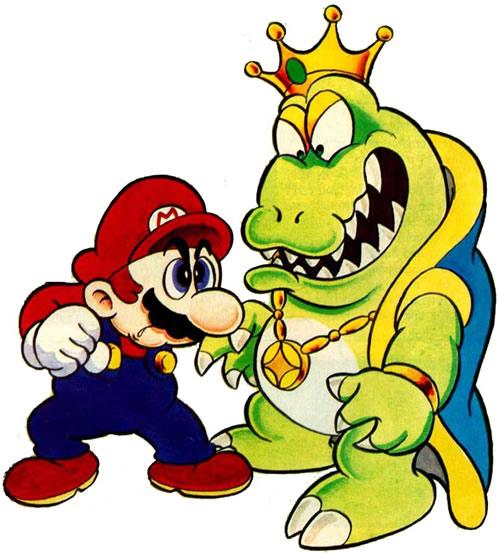
Wart – The giant frog king is the main antagonist of this game and the final boss of the game as well. He has taken over Subcon and he is the last obstacle in this quest of Mario and his friends. He moves back and forth and he throws series of gigantic bubbles towards Mario and his teammates. However, as the Subcon species stated, he hates vegetables. A nearby machine is throwing out the vegetables from time to time, and that is your chance to grab them and throw them at Wart. He only takes damage from the vegetable, when his mouth is open, and when he actually ingests them. It takes 6 hits to finally defeat Wart and beat the whole game.
References to Other Games
This game had several references to other games, and in this section you can see all of those references…
-
Donkey Kong: The boss of the fifth world in this game (Clawgrip) throws rocks in a similar way like Donkey Kong throws barrels in the popular arcade classic. He even bangs his chest like the famous gorilla. Also, in the 16-bit versions of the game, you can see the warehouses that appear in this old iconic title, in the background

Clawgrip
-
Mario Bros. : The POW Blocks made their official debut in this title
-
Super Mario Bros. : The Starman power-up and the Mushroom power-up have debuted in this game. The ability to run was introduced in this game, and it was implemented into the sequel as well (it wasn’t present in Doki Doki Panic). The cover of the main Super Mario Bros. theme appears in the Subspace world of this game, while the title theme is a cover for the music of the underwater levels
-
Super Mario Bros.: The Lost Levels: The players are given the option to choose their character. Luigi can, also, jump higher than his brother.
Mentions in Later Nintendo Titles
Even though it is not as influential as the original game, this game still had a certain influence on the other Nintendo games that were later released. Right now, you will be able to see which elements of this game appeared in the later titles, as well as the names of those games:
-
Super Mario Bros. 3: Bob-ombs from the second game return in this sequel. They have the exact same attributes like Bob-ombs from this game
-
Super Mario World: Pokeys, Pidgits and Ninjis reappear in this release
-
Wario’s Woods: Birdo, a character that was a regular mini-boss in Super Mario Bros. 2 reappears in this game. Also, Toad has similar characteristics to the ones that he has in the sequel of the original game. Lastly, it should be mentioned that some items (like the Spuds) also look similar to the vegetables that appear in the second Super Mario Bros. game
-
Super Mario World 2: Yoshi’s Island: Shy Guys and Snifits return in this title
-
Super Mario 64: Magic carpets, that were ridden by Pidgits in the sequel of the original game, make their reappearance in this game
-
Super Smash Bros. Melee: A stage called Mushroom Kingdom II is greatly inspired by this game. Birdo reappears in this game as well, and she is spitting eggs at the player. The theme song, that can be heard in every overworld stage of the NES game, is present in this title as well, just like the boss theme (it can be heard in the Sudden Death matches). Also, Princess Peach’s movement was copy-pasted from the NES game. There are trophies of Pidgit, Birdo, and the vegetables as well
-
Mario vs. Donkey Kong: Shy Guys and Ninji’s reappear in this game, and they are called “Mini Shy Guys” and “Mini Ninjis”. Also, the way Mario picks up the items and the enemies in this game is directly inspired by the same attribute in the NES game
-
Super Mario 64 DS: Luigi’s jumping style in this game is directly inspired by his jumping mechanic that was used in the NES game
-
Mario & Luigi – Partners in time: Pidgits make their full reappearance in this game
-
Mario Hoops 3-on-3: The final victory theme is actually a cover of the ending theme of this game
-
Super Paper Mario: In one part of the game, Francis mentions that he possesses a comic called “Cybort Wart” which is an obvious influence of the main antagonist Wart from Super Mario Bros. 2. Also, some Sammer Guys carry the following names: “Squatting Birdo”, “Pidget on Wind’s Breath”, “Sleeping Turnip”, “Plugged Snifit”, “Upward Leaping Ninji” and “Guy Who Fry”. These are the obvious references to: Birdo, Pidgit, Turnip, Snifit, Ninji and Fryguy
-
Super Smash Bros. Brawl: Just like it is the case with Super Smash Bros. Melee, Princess Peach’s movement is copied from the NES game and there are is another trophy of Birdo. You can also see the names of Birdo and Wart in the random name selection. The NES game can be played as trial game or Masterpiece as well (the character that you first get to play as, in the trial game, is Princess Peach, although, it is possible to play the trial game with different characters as well, but only if you get a Game Over screen before the trial ends)
-
Mario & Luigi: Bowser’s Inside Story: In this title, you can see Wiggler attacking you by pulling out the vegetables that look identical to those that are used in the sequel of the original game. Also, one minion that was brainwashed by Bowser calls his castle “Mouser’s castle”, by mistake
-
New Super Mario Bros. Wii: The way in which the characters pick-up the items (like the POW Blocks) is copied from Super Mario Bros. 2 . A playable Toad also reappears in this game
-
Mario vs. Donkey Kong: Mini-Land Mayhem!: You can hear the covers of the Overworld theme, Lifelost theme, Boss theme and Boss Victory theme from the NES game in this release (in the first world)
-
Super Mario Galaxy 2: Luigi’s triple jump in this game is inspired by his jumping mechanic from the second Super Mario Bros. game
-
Mario Sports Mix: The throwing animations of Toad are obviously inspired by his throwing mechanics from the NES game. Also, the huge speed of Toad from the original game’s sequel reappears in this release
-
Super Mario 3D Land: The Power Squat Jump from Super Mario Bros. 2 has inspired the crouching jumps of Mario and Luigi in this game. The back flip element from the NES game found its place in this title as well
-
Mario Kart 7: The Shy Guy Bazaar has a whole lot of references to the elements of the second NES Mario game (like the vases, magic carpets, and the Shy Guys themselves, who appear in the audience)
-
New Super Mario Bros. 2: A night level of this game has platforms that look like they are copied from the overworld levels of Super Mario Bros. 2
-
Paper Mario: Sticker Star: You can hear the jazz arrangement of the main theme of the second NES Mario game when the credits start rolling
-
Super Mario 3D World: Toad and Princess Peach reappear in this game as playable characters. Their abilities and attributes are copied directly from Super Mario Bros. 2.
Videos — Gameplay, Trailers & Commercials
A retro Super Mario Bros. 2 TV Commercial – welcome to Subcon.
A Japanese TV commercial for ‘Super Mario USA’ which is what the game known in Europe as SMB2 was known as in the U.S and Japan
The trailer for Super Mario Bros. 2 when it was released for the Nintendo 3DS Virtual Console
A full playthrough, played as Princess Peach. Check out our Super Mario Bros. 2 complete guide for more.
Development
The initial concept of this game was a Mario-style platform game, made by Nintendo’s developer Kensuke Tanabe. The game was originally meant to include vertically scrolling levels, as well as the new pick/throw interaction with the objects and the enemies. It was also meant to be a two player co-op game, but because of the technical limitations of the system, this approach was abandoned. Instead of that, more elements from the original game were intended to be added to this game (like the horizontally scrolling levels). At some point in the development, Fuji Television Company wanted this game to be created with the Yume Kojo characters in it, and, thus, the initial prototype has turned into, what we know today as “Yume Kojo: Doki Doki Panic”. That title quickly became one of the best selling games on the Famicom in Japan.
In 1987, Nintendo of America was planning to launch the sequel to the original game in the USA. They originally intended to (re)launch the Japanese version of Super Mario Bros. 2 that was already released in Japan but, after a deep analysis, it was concluded that the game was too difficult for the American gamers. It was basically a clone of the original game but much, much harder. Even Shigeru Miyamoto admitted that the challenge of the game is bigger than it should have been. So, they decided to remake “Yume Kojo: Doki Doki Panic” that was already a successful title in Japan, and replace the Yume Kojo characters with the ones from the Mario universe. And that is how this game was brought to life, in the first place. The Japanese version of Super Mario Bros. 2 became available outside Japan once the remake of the 3 NES games was released for the SNES (Super Mario All Stars). That game became known as: “Super Mario Bros.: The Lost Levels”. The American/European version of SMB 2 was also released in Japan, some time before Super Mario Bros. 3 was available on the market (it was released as Super Mario USA).

Many elements, as well as the characters and some of their movements in this game reappeared in the games that were later released. It is interesting to note that Wart, the final boss in this game, didn’t appear in any of the future Mario games (though he was briefly mentioned), but he managed to find his place in the Nintendo Comics System. He made reappearance in a Zelda game instead. He appeared again in The Legend of Zelda: Link’s Awakening, and, interestingly enough, he was not a villain in that game. He appeared in that release under his original Japanese name – Mamu.
Reception
Even despite mixed opinions about this game, it managed to sell ten million copies, which made it the 3rd best-selling game on the NES at that time. On the Nintendo Power’s list of best NES games, this game took the respectable 8th place. It was stated that, although it is not really a Mario game, the title is different enough, and is able to stand on its own merits. The game took the 108th position on the Electronic Gaming Monthly’s list of “Greatest Games of Their Time”. GamesRadar’s opinion was that it is the 10th best NES game ever made, and they gave a lot of compliments about the game’s concept. They also stated that this was a better sequel than the ones that were released around 2012, where only small changes and improvements were seen. IGN praised this game, calling it: “one of the best NES games ever created” and “one of the most polished and creative platformers of the era”. They also praised the game’s music, and, in their opinion, the final boss theme of this game is the best 8-bit final boss theme of all times.
The game was rereleased in 2001 as Super Mario Advance. It got positive reviews from many gaming critics. Its aggregate score on Metacritic was 84 %. However, not all reviews were positive. GameSpot’s opinion was that Super Mario Bros. 3 and/or Super Mario World would have been better choices for the launch title on the system, considering how popular both of these games are, even nowadays (they were later remade as part of the Super Mario Advance series).
Boss Fight Books: Super Mario Bros. 2 by Jon Irwin
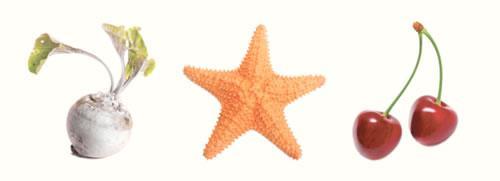
In October 2014 a book was bought out by a gentleman called Jon Irwin about Super Mario Bros. 2 (the Doki Doki panic version, not the Japanese one!) which took a deeper look into the history of this game and how it stands in the Mario series, "pulling up a few vegetables" of his own and sharing a fresh and unique viewpoint on the Mario series’ oddball.
Foreword by Howard Phillips the Game Master
In perhaps the most famous switcheroo in all of game history, the Japanese version of Super Mario Bros. 2 was declared “too hard” by Nintendo of America and replaced with a Mario-ified port of the Famicom hit, Yume Kōjō: Doki Doki Panic. The new game (dubbed Super Mario USA in Japan) was a huge success for its four playable characters, improved graphics, immersive levels, and catchy music, and eventually became the 3rd bestselling game for the NES.And yet. Because of its strange new villains, its wild gameplay, and its mysterious touches, SMB2 has for years been regarded as the Odd Mario Out, even as it has seen popular updates on the Super NES and Game Boy Advance. Irwin’s Mario is not a simple retelling of a 25-year-old story, but instead an examination of the game with fresh eyes: both as a product of its time and as a welcome change from the larger Super Mario franchise. Along the way he searches for clues, pulling up a few vegetables of his own. What he finds is not at all what he expected.
Trivia & Facts
-
Super Mario Bros. 2 was the 3rd best selling NES game at the time when it was released
-
It is the game that jumped out of the standards of typical Mario platform games, and it is, so far, the only game in the franchise that is, basically, a remake of the game that has, practically, nothing to do with the popular series
-
It is the first game where Toad and Princess Peach are playable characters (if we don’t count the spin-off games)
-
It is the first game in the franchise where Bowser doesn’t appear at all (the second one is Super Mario Land)
-
The picture of Mario that appears on the cover art of this game is an edited and modified version of the same picture, but on the cover art of the original game
-
This was the last game where Mario was wearing a blue shirt and red overalls (the colors were switched in the succeeding games). It is, also, the only game where Luigi is wearing a blue shirt and green overalls
-
In case you decide to fast-forward the whole game and take the biggest possible shortcut, you will face only 3 bosses (Tryclyde, Hawksmouth and Wart) + Birdo as a standard mini-boss
-
In case you move one screen away after defeating the enemies and then return – they will re-spawn again (the same happens with Birdo).
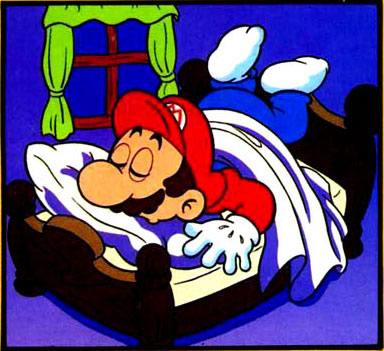
Mario in his bed, where the game truly took place!
Worlds & Levels
Super Mario Bros. 2 features seven worlds divided into 20 levels total (three levels per world, except World 7 which has just two). Each world has its own distinct biome — grass, desert, water/caves, sky-ice, dunes, dream interiors and Wart's lair — and boss encounters tend to repeat with Birdo guarding the first two levels of most worlds and a unique boss closing each one.
| World | Terrain | Levels | End Boss |
|---|---|---|---|
| World 1 | Grass land | 1-1, 1-2, 1-3 | Mouser |
| World 2 | Desert | 2-1, 2-2, 2-3 | Tryclyde |
| World 3 | Waterfalls & caves | 3-1, 3-2, 3-3 | Mouser |
| World 4 | Frozen mountains & sky | 4-1, 4-2, 4-3 | Fryguy |
| World 5 | Sky / canyon | 5-1, 5-2, 5-3 | Clawgrip |
| World 6 | Desert dunes & underground | 6-1, 6-2, 6-3 | Tryclyde |
| World 7 | Wart's dream interior | 7-1, 7-2 | Wart |
Sub-space — the parallel mirror-world entered by tossing the Magic Potion — appears throughout the levels and contains coins, 1-Up Mushrooms and the famous “Cherry → Star” combo. Coins collected here are then spent on the slot-machine bonus game between levels for extra lives.
The Doki Doki Panic Origin Story
This is the headline angle of Super Mario Bros. 2's history: the game we got in the West is not the game Japan got first. The original Japanese sequel — Super Mario Bros. 2: The Lost Levels — was deemed too difficult and too similar to the first game for international release, so Nintendo of America went hunting for an alternative.
The replacement they reskinned is Yume Kōjō: Doki Doki Panic (“Dream Factory: Heart-Pounding Panic”), a 1987 Family Computer Disk System game developed by Kensuke Tanabe at Nintendo R&D4. Doki Doki Panic was created as a tie-in for Fuji TV's Yume Kōjō mascot event, and starred an Arabian family — Imajin, Mama, Papa and Lina — rescuing twin children Piki and Poki from the evil frog-king Mamu.
Tanabe's prototype had actually started life as a vertically-scrolling, two-player co-op Super Mario game with block-throwing mechanics. The Famicom couldn't handle it cleanly, the design was reworked into horizontal levels, and once Fuji TV came knocking for a mascot game the result became Doki Doki Panic. When Nintendo of America needed something to label as “Super Mario Bros. 2”, the four Arabian heroes were swapped for Mario, Luigi, Princess Toadstool (Peach) and Toad, Mamu became Wart, and the rest is Mario history.
The four-character system — each with unique stats — was preserved intact: Mario (balanced), Luigi (highest jump), Princess (hover ability) and Toad (fastest pluck-and-run). This was the first Mario game to make Peach playable, the first to make Luigi mechanically different from Mario, and the first to introduce Shy Guys, Bob-ombs, Birdo, Pokeys, Ninjis and Phantos to the Mario universe.
In a satisfying loop, Nintendo eventually released the American Super Mario Bros. 2 in Japan on the Famicom on 14 September 1992 under the title Super Mario USA — identical to the US version save for the title screen, with the ending credits using the English character names.
Remakes & Ports
Super Mario Bros. 2 has been ported and remastered more times than almost any other Mario game.
Arcade (Nintendo PlayChoice-10, 1988)
The game was made available on the Nintendo PlayChoice-10 arcade unit shortly after launch — a coin-op cabinet that ran NES games on a timer for arcade venues.
Super Mario All-Stars (SNES, 1993)
Bundled with the original Super Mario Bros., The Lost Levels and Super Mario Bros. 3, the All-Stars compilation gave SMB2 16-bit graphics, redrawn sprites, remixed music and enhanced sound effects. The All-Stars version preserved all the original gameplay but became most people's definitive version of the game. It was later folded into Super Mario All-Stars + Super Mario World and re-released for Wii in 2010 as Super Mario All-Stars Limited Edition.
BS Super Mario USA (Satellaview, 1996)
A Japan-only broadcast version released via the Super Famicom's Satellaview add-on. It was based on the All-Stars version but included a live audio-drama overlay, a completely different soundtrack, altered gameplay, and was split into four unique broadcasts — each focusing on a different world. Contestants who submitted high scores could win real-world prizes. Today it's one of the rarest Mario titles to obtain in playable form.
Super Mario Advance (GBA, 2001)
The most feature-rich port. Super Mario Advance launched alongside the Game Boy Advance on 21 March 2001 (Japan), 11 June 2001 (N.America), 22 June 2001 (Europe). It used the All-Stars graphics as its base, added voice acting (Mario's “Here we go!” and “Mama mia!”), added the giant Robirdo mini-boss in World 3, introduced a Yoshi Egg challenge, scored a brand-new ending screen showing the game's full cast, and came bundled with an enhanced four-player port of the original arcade Mario Bros.. This is widely considered the definitive version.
Virtual Console & Nintendo Switch Online
The NES original has been re-released numerous times: Wii Virtual Console, Nintendo 3DS Virtual Console, Wii U Virtual Console and most recently the Nintendo Switch Online NES library. The Korean Virtual Console release used the Japanese Super Mario USA title.
Development Staff
Super Mario Bros. 2 (technically the localised Yume Kōjō: Doki Doki Panic) was made by a notable Nintendo team that would go on to define the company's future:
- Director / Game Designer: Kensuke Tanabe — who later produced the Metroid Prime series and oversaw Nintendo's relationship with Retro Studios
- Producers: Shigeru Miyamoto & Hiroshi Yamauchi (Nintendo president)
- Music Composer: Koji Kondo — including the iconic Ground BGM that became one of the most recognisable Mario tracks
- Studio: Nintendo R&D4 (later renamed Nintendo Entertainment Analysis & Development / EAD)
Tanabe's vertical-scrolling, block-throwing prototype is the genuine heart of this game — the Mario-and-friends skin is essentially window dressing applied later. Tanabe stayed at Nintendo for decades and has been responsible for Wario Land, Paper Mario: The Thousand-Year Door (as producer), and most of the Metroid series since 2002.
Pre-release & Unused Content
The game's prototype contains several pieces of unused or pre-final content.
- Different in-game title palette — tans and oranges instead of the final's reds and blues.
- Princess Toadstool had more hair in early sprites.
- The characters originally needed to use a Magic Lamp to access Sub-space (similar to the Doki Doki Panic original), which was replaced with the Magic Potion in the final.
- Characters in the prototype lacked whites in their eyes and could not run.
The most consequential pre-release fact is the entire Doki Doki Panic foundation — covered in detail in the Doki Doki Panic Origin section above.
Glitches
Two well-documented glitches survive across most ports of the game.
Disappearing Mushroom Blocks
If a Mushroom Block is thrown offscreen and the player doesn't see it land — even somewhere it should safely come to rest — the block vanishes entirely. The only way to get it back is to leave the level through a door and return.
Lifesaving Jar
Requires precise timing. Your character must be small (i.e. one health section remaining) and must enter a jar at the exact moment a Phanto strikes. If timed correctly, the defeat fanfare plays but the character still completes the jar transition. They emerge with zero health sections remaining — but still alive, surviving on borrowed time. The glitch persists in the Super Mario All-Stars enhanced port.
Credit-Screen Errors & Misspellings
The original NES credits contain a series of misspellings and name-swaps that became infamous trivia:
- Ostro and Birdo have their names swapped — this is why for decades fans called Birdo “Ostro” and vice versa. The names were corrected in the Japanese version of Super Mario Advance, and in the International version's enhanced port.
- Hoopster is spelled “Hoopstar” in the credits.
- Clawgrip is spelled “Clawglip”.
- Tryclyde is spelled “Triclyde”.
All four errors carried over into Super Mario All-Stars on SNES. Only the Super Mario Advance GBA port corrected them.
Another unfixed quirk: in the original Yume Kōjō: Doki Doki Panic, the grass tufts on plucked vegetables are black. In Super Mario Bros. 2 they were redrawn red, but the post-pluck sprite still keeps the black tuft colouring — a tiny visual artefact of the reskin. Even Super Mario Advance keeps the red tufts but switches them to green on pickup.
Three different printings of the North American instruction manual exist, with subtly different character descriptions — most notably Birdo's, whose famous original description (“he thinks he is a girl”) was edited out of later revisions.
Adaptations — Super Show & Manga
The Super Mario Bros. Super Show!
The 1989 DIC Entertainment Saturday-morning cartoon, The Super Mario Bros. Super Show!, drew heavily from this game. Almost every Subcon character and gameplay element appears in the show — Mouser, Tryclyde, Fryguy, Wart, Bob-ombs, Shy Guys, Birdo, and the Subcon dream-world setting are often more prominent in the show than features from the original Super Mario Bros.. The cartoon ran for 65 episodes and is the single biggest reason this Western-only game cast became fully canonical Mario universe characters.
Manga: Super Mario-kun & Super Mario Kodansha
Both Super Mario-kun and the Super Mario Kodansha manga series have dedicated story arcs adapting Super Mario Bros. 2. Because Super Mario Bros. 2 wasn't released in Japan until 1992, the Japanese manga adaptations of it actually appear in the timeline after Super Mario World.
The KC Mario adaptation, in the volume Super Mario USA, is unique in having Toad as a co-protagonist. The adaptation takes place in a dream sequence — but rather than Mario and friends sharing a dream that leads them to Subcon, they live on a farm in the United States and are led into a cave after Mouser steals their vegetable seeds.
Names in Other Languages
The international titling of this game is unusually messy because of the Doki Doki Panic / Mario USA split. Here are the various official names:
- Japanese (1992 Famicom): «スーパーマリオUSA» (Sūpā Mario USA) — literally “Super Mario USA”, acknowledging the game's Western origin
- Chinese (Traditional): «超級琲利欺USA»
- Chinese (Simplified): «超级马力欧USA»
- Korean (Wii Virtual Console): «습푬 마리오브러년스 2» (Syupō Mario Beurajōněseu 2) — uses the Japanese NES version
- Korean (3DS Virtual Console): «습푬 마리오 USA» (Syupō Mario USA) — uses the international version
- Original Japanese source: «夢工場 ドキドキパニック» (Yume Kōjō: Doki Doki Panic) — 1987 Famicom Disk System
- Japanese SMB2 (1986 Famicom Disk System): a completely different game now known internationally as Super Mario Bros.: The Lost Levels
Reference / Information
Detailed sub-pages, walkthroughs, manuals and reader-submitted reviews covering every angle of Super Mario Bros. 2.
Media / Downloads
Box art galleries, rendered artwork, and screenshots for Super Mario Bros. 2.